Searching For Computer Crimes Defense Lawyers in College Station Texas?
Gustitis Law Is Ready To Manage Your Legal Representation!
Call Us at 979-701-2915 To Schedule an Appointment!
Defend Your Well-being with Expert Computer Crimes Defense Lawyers in College Station Texas!
Confronting charges for crimes that require Computer Crimes Defense Lawyers can be overwhelming, especially when you're uncertain of your legal rights or the penalties you may deal with. Whether it is a small driving infraction or a severe larceny or cyber-crime, the skilled Gustitis Law legal team in College Station Texas is ready to assist.
With the experience of a Board Certified defense lawyer, Gustitis Law gives quick consultations, clear guidance, and a focus on safeguarding your well-being.
Confused About Your Rights Under the Law or How the Law Operates?
When charged with larceny, computer, or traffic violations and are seeking Computer Crimes Defense Lawyers in College Station Texas, it is common to feel unsure about your rights. Numerous individuals fear the likely consequences they might face, ranging from monetary consequences and license revocations to serious criminal charges that could impact their life.
Learning about the legal process - how accusations are made, what defenses are possible, and how to defend yourself - can be confusing.
Frequently Asked Questions Computer Crimes Defense Lawyers Answer:
- What are my entitlements during an arrest or after being accused?
- What kind of punishments could I be assigned for these crimes?
- How long will this process last?
- Will this harm my job or my ability to drive?
Gustitis Law is aware of the confusion that is inherent with these kinds of situations, which is the reason we are prepared to assist you every stage of the process.
Our skilled legal team is ready for quick consultations to address your questions and offer the legal support you seek to decide confidently about your situation.
Require Computer Crimes Defense Lawyers?
If you are uncertain about what comes next, call us right away at 979-701-2915 for a no-cost consultation.
The attorneys at Gustitis Law are available to help you learn your civil liberties and handle your case.
How Gustitis Law Can Help You
When facing legal charges, having skilled Computer Crimes Defense Lawyers on your side can have quite an impact. At Gustitis Law, we offer prompt law-related guidance to help you handle the challenges of your situation.
Our Board-Certified criminal defense lawyer and knowledgeable legal team are available to meet with you, address your inquiries, and offer specialized advice tailored to your individual case by the following approach:
- Immediate Consultations - We recognize that timing is essential. Our staff is on-hand to consult with you at the earliest opportunity, ensuring you get the solutions and support you require immediately.
- Personalized Legal Approaches - Every situation that requires Computer Crimes Defense Lawyers in College Station Texas is unique. We will assess the facts of your situation thoroughly to craft a defense that fits your specific circumstances.
- Concise Guidance - Uncertainty about your judicial rights and the steps can add stress to an already difficult scenario. We explain your choices in easy-to-understand ways, so you understand every phase of the process.
- Demonstrated Knowledge - When looking for Computer Crimes Defense Lawyers, finding a legal team with the experience of a Board-Certified defense lawyer is crucial, giving expert support to advocate for the best resolution, whether in legal proceedings or through settlement.
Securing Your Tomorrow
Gustitis Law is devoted to securing your future by providing solid legal representation. Whether it is a property crime, a cyber crime, or a traffic violation, we work to minimize punishments and safeguard your rights, guaranteeing the best resolution for your case.
Don’t Delay - reach out to our legal representative today at 979-701-2915 to schedule your appointment. We are available to help you decide on informed choices and safeguard your tomorrow from the onset.
Why Select Gustitis Law?
When it comes to the work of Computer Crimes Defense Lawyers, protecting against larceny, computer offenses, and driving violations in College Station Texas, you need a legal team that is not only experienced but also ready to move quickly. Gustitis Law is different because we offer:
- Prompt Help - Time is critical in any legal case. That’s why our team is always prepared to meet with you right away, responding to your important inquiries and providing professional legal guidance when you require it.
- Personalized Assistance - No two legal matters are identical. We take the time to comprehend the details of your case and build a personalized legal defense suited to your needs.
- Board Certified Skill - With the help of a Board-Certified criminal lawyer, you can rest assured that you have an experienced lawyer advocating to defend your entitlements and ensure the best possible result.
- Compassionate Advocacy - We recognize how stressful legal charges can be and we’re focused to not only delivering expert legal counsel but also providing the empathetic help you require to navigate this challenging situation.
Our goal is plainly to defend your rights and your future with skilled representation. From your starting appointment to the end of your matter, the group at Gustitis Law is with you every step of the way, ensuring you’re informed, equipped, and assured in your defense strategy.
Discover Our Legal Team
Our legal team is proud to offer high-quality defense strategies when seeking Computer Crimes Defense Lawyers in College Station Texas. With over thirty years of background defending defendants in the area, Gustitis Law has established a name for urgent, successful legal help and custom focus to each case.
Board-Certified Criminal Defense Lawyer
At the heart of Gustitis Law is our Board-Certified defense attorney, a legal professional with a history of success in protecting clients against serious accusations. Board certification is a title held by only a select few of attorneys, signifying high-level expertise and knowledge in criminal law.
With over thirty years of practicing law, the staff at Gustitis Law is equipped to tactically fight for the most favorable resolution in your legal matter.
Our Promise to You
We believe that every client who is looking for Computer Crimes Defense Lawyers in College Station Texas should have to feel assured and helped during their court struggle. That is why we’re dedicated at:
- Protecting Your Legal Entitlements - We work to ensure that your legal rights are upheld during the entire procedure.
- Protecting Your Future - We strive to lessen punishments, eliminate allegations, or identify alternative resolutions that protect your long-term prospects.
- Providing Straightforward Communication - We ensure you are updated at every phase, so there aren't any surprises and you always understand what to anticipate.
If you choose Gustitis Law, you’re deciding on a staff that is dedicated to supporting clients manage court cases with assurance and skilled guidance.
Take Charge of Your Legal Matter Today!
Whenever you are looking for Computer Crimes Defense Lawyers because you're facing accusations for property crimes, internet crimes, traffic offenses, or other legal issues in College Station Texas, our proficient legal team is available to deliver prompt assistance and expert advice. With over thirty years of expertise and the comprehension of a Board-Certified criminal attorney, Gustitis Law is ready to fight for your rights, lessen charges, and protect your future.
Do not let confusion or fear of the unforeseen stop you - let Gustitis Law guide you manage the legal steps with assurance. From theft and burglary charges to cyber offenses and driving violations, we will deliver tailored defense strategies suited for your legal matter!
Trying to Identify Computer Crimes Defense Lawyers in College Station Texas?
Do Not Try to Manage Legal Charges Alone!
Call Gustitis Law at 979-701-2915 To Book A Meeting!
Computer Offenses Defense FAQs
1. What Are Computer Offenses?
Digital crimes, referred to as digital offenses, include criminal actions carried out with IT systems or the online networks. These can include computer intrusion, personal data theft, digital fraud, fraudulent email schemes, distributing malware, and illegal access to computer networks.
2. What Are Common Types of Digital Offenses?
Frequent types of computer crimes include:
- System Intrusion - Gaining unauthorized entry to computer networks.
- Identity Theft – Illegally obtaining sensitive data to conduct illegal activities.
- Online Deception -Sending scam email or online portals to acquire personal details.
- Digital Fraud - Conning victims or businesses for monetary profit.
- Spreading Viruses - Spreading malware, extortion software, or other malicious software.
- Digital Stalking - Intimidating or bullying victims online.
3. What Should I Take Action On If I’m Charged of a Cybercrime?
If accused of a cybercrime, don't be mentioning the charges with police without a legal representative present. Save any documents that may assist your defense, and reach out to a criminal attorney experienced in cybercrime cases as soon as possible.
4. Can I Be Charged With a Cybercrime if I Didn’t Know I Was Breaking the Law?
Yes. Unawareness is rarely a justification for cyber offenses, particularly in cases about illegal system entry. However, a lawyer can argue that you had no purpose or that there was confusion about your actions.
5. What Are the Penalties for Digital Offenses?
Consequences for digital offenses differ based on the seriousness of the offense and court system. They can extend from legal fees, supervised release, and community service to significant incarceration. Some federal- cybercrimes lead to more severe punishments, for example substantial prison sentences.
6. Can a Computer Crime Be Handled as a Federal Cyber Offense?
Yes, many digital offenses, notably those involving system breaches, personal information theft, internet scams, and violations of the CFAA law, are handled under federal jurisdiction. Federal crimes usually involve harsher punishments than regional offenses.
7. What Are the Defenses to System Intrusion Claims?
Frequent defenses to system intrusion accusations consist of:
- Unintentional Access - You didn’t purposely enter a system without legal right.
- Consent - You had consent to access the device in issue.
- Government Coercion - Law enforcement persuaded you to engage in the illegal act.
- False Attribution - Another individual employed your network.
8. What Is Illegal System Entry in Digital Law?
Unpermitted access refers to obtaining control of a data set without legal right. Even if no harm is done, just accessing a system without permission can lead to legal consequences under state or federal laws.
9. Can I Be Held Responsible for Downloading Unauthorized Material?
Yes, accessing unauthorized material, such as stolen software, movies, or copyrighted material can cause criminal charges. More severe charges, such as accessing illegal material, can cause major punishment, such as prison time.
10. What Is Phishing and Can I Be Held Responsible for It?
Phishing involves employing fake emails or online pages to deceive individuals into giving up sensitive details, such as account details or financial information. Whenever you are involved in distributing phishing schemes, you can be charged with numerous types of identity theft.
11. What Is Personal Data Fraud in the Scope of Cybercrimes?
Personal data theft occurs when an individual exploits another individual’s personal information, such as Social Security numbers or financial data, to commit fraud. Online identity theft is a serious offense, often handled at both regional and a national level.
12. Can I Be Held Responsible for Distributing Account Access?
Sharing passwords can cause legal consequences If it entails unauthorized access to digital platforms, paid content, or files, especially if it breaches terms of service or results in monetary loss. In some instances, giving access codes for subscription services may lead to civil penalties.
13. What Is Digital Stalking and How Is It Handled?
Cyberstalking involves the use of online platforms, email, or internet media to intimidate or threaten an individual. This violation is frequently prosecuted as a major crime, with punishments including restraining orders, monetary consequences, and imprisonment.
14. Can I Be Prosecuted for Statements Made on the Internet?
Yes, you can be held responsible for digital comments if it results in stalking, threats, libel, or incitement of unlawful acts. Regulations vary by jurisdiction, but many internet activities can result in legal prosecution, especially if they inflict damage or inflict danger.
15. How Do Police Examine Digital Offenses?
Authorities, for example the FBI and specialized task forces, employ technical methods to analyze digital offenses. They might trace IP addresses, examine electronic data, and collaborate with internet service providers (ISPs) to gather evidence.
16. What Is the Federal Computer Crime Law?
The CFAA is a government statute that outlaws unauthorized access to computers and networks, intrusions, and the distribution of malware. Breeches of the CFAA can result in harsh consequences, such as significant financial punishments and lengthy incarceration.
17. Can I Be Held Responsible With a Cybercrime if I Was Authorized to Test System Vulnerabilities?
Yes, you could be charged if your behavior surpass your permission, even if you were brought in for security testing (known as ethical hacking). Make sure that you have explicit and written authorization from the business or client before carrying out system tests.
18. What Is Data-Encrypting Malware and Can I Be Prosecuted for Distributing It?
Ransomware is a type of harmful software that restricts access to a user’s files or network until a payment is paid. Deploying this malware is a major national offense, with penalties that may involve lengthy incarceration, especially if businesses or essential systems are affected.
19. Can I Be Held Responsible for Online Scams or Fraud?
Yes, online schemes and deception, such as credit card fraud, investment schemes, or e-commerce fraud, can cause both regional and national-level prosecutions. Depending on the scale and the number of victims, penalties can range from fines to significant incarceration.
20. What Is Wire Fraud in the Scope of Cybercrimes?
Electronic communications fraud involves employing the internet to engage in deception. Many internet-based fraud, phishing schemes, and other deceptive practices are classified under wire fraud statutes, which result in serious penalties under government regulations.
21. Can I Be Held Responsible for Acquiring Stolen Personal Details Online?
Yes, acquiring or employing unauthorized personal details, such as private identification details or sensitive information, can result in criminal charges, including personal data fraud and fraud. Even if you were unaware that the information was stolen, you could still incur prosecution.
22. How Severe Are Cybercrime Charges Against Minors?
Digital crimes involving minors, such as distributing child pornography or online harassment, result in very serious punishments. Government statutes require significant incarceration, hefty fines, and lifetime registration as a sexual offender against minors in some cases.
23. Can I Be Charged for Using Open Wireless Networks Without Authorization?
Connecting to open wireless networks without permission can be charged as cyber trespassing under certain laws, notably if you make use of it to commit other crimes. In many jurisdictions, this is classified as a lesser offense or cyber trespassing.
24. How Can I Legally Argue Against Digital Offense Charges?
Arguments against computer crime accusations may consist of:
- Absence of Intent - You did not intentionally engage in illegal activities.
- Authorization - You had consent to access the data.
- Wrongful Accusation - Another party used your IP address.
- Entrapment - Law enforcement persuaded you to commit the offense.
25. What Are the Penalties for Distributing Malware?
Distributing malware, such as viruses, worms, or ransomware is a serious violation that can lead to major consequences, such as long-term imprisonment, substantial monetary punishments, and potential civil lawsuits from victims or companies.
26. How Do Digital Forensics Play a Role in Arguing Against Computer Crime Accusations?
Computer forensics can be utilized to follow computer records, retrieve lost files, and examine devices involved in digital crimes. Forensic experts employed by your defense attorney may uncover proof that helps to prove your innocence or create uncertainty the government's charges.
27. Can I Be Prosecuted for Declining to Give Law Enforcement Access to My Device?
Declining to provide access to your device or login details can result in legal consequences if the authorities have a legal order. However, you have legal protections to safeguarding you against illegal access and your lawyer can oppose unjust searches for entry.
28. What Takes Place If I Am Convicted of a Major Digital Offense?
If sentenced for a federal computer crime, you could face severe penalties, including jail time, large fines, loss of personal property, and a indelible criminal history. Federal sentencing guidelines are severe, and it’s important to have a knowledgeable lawyer.
29. Can I Challenge a Guilty Verdict for a Computer Crime?
Yes, you can request a review a guilty verdict if you suspect there were mistakes in the trial, trial procedures, or if your rights were violated. Your legal advocate can submit a formal challenge with a superior court to examine the case and seek a reversal or a new trial.
30. What Is Digital Terrorism?
Digital terrorism refers to online actions and the internet to launch assaults on critical infrastructure, public institutions, or businesses with the intent to create panic, damage or affect functioning. Online terror charges are gravely significant and can result in lifetime sentences.
31. Can My Social Media Posts Be Used Against Me in a Digital Offense Case?
Yes, digital communications, statements, and other internet-based actions can be used as material in a cybercrime case. If your digital behavior shows participation in unlawful activities or shows guilt, it can be presented to the judge.
32. How Can a Computer Crime Verdict Harm My Job?
A cybercrime conviction can severely impact your career, especially in industries that require background checks or security clearances. Many organizations are unwilling to employ people with criminal records related to scams, hacking, or personal data fraud.
33. Can I Be Held Responsiblefor Allowing Someone to Use My Network for Unlawful Behavior?
If another person employs your device or system to commit illegal activities and you were uninformed, you may not receive direct charges. However, if you permitted them to access your system or neglected to safeguard it, you could encounter legal consequences as an accomplice or for failure to secure.
34. What Is the Difference Between a Minor Offense and a Serious Digital Offense?
Less severe cybercrimes generally entail minor actions, such as illegal system use without injury, while major cybercrimes entail more major offenses, such as personal data fraud, unauthorized network access, or spreading harmful software. Felony convictions carry more severe consequences, for example extended jail time.
35. Can a Conviction for a Cybercrime Be Removed?
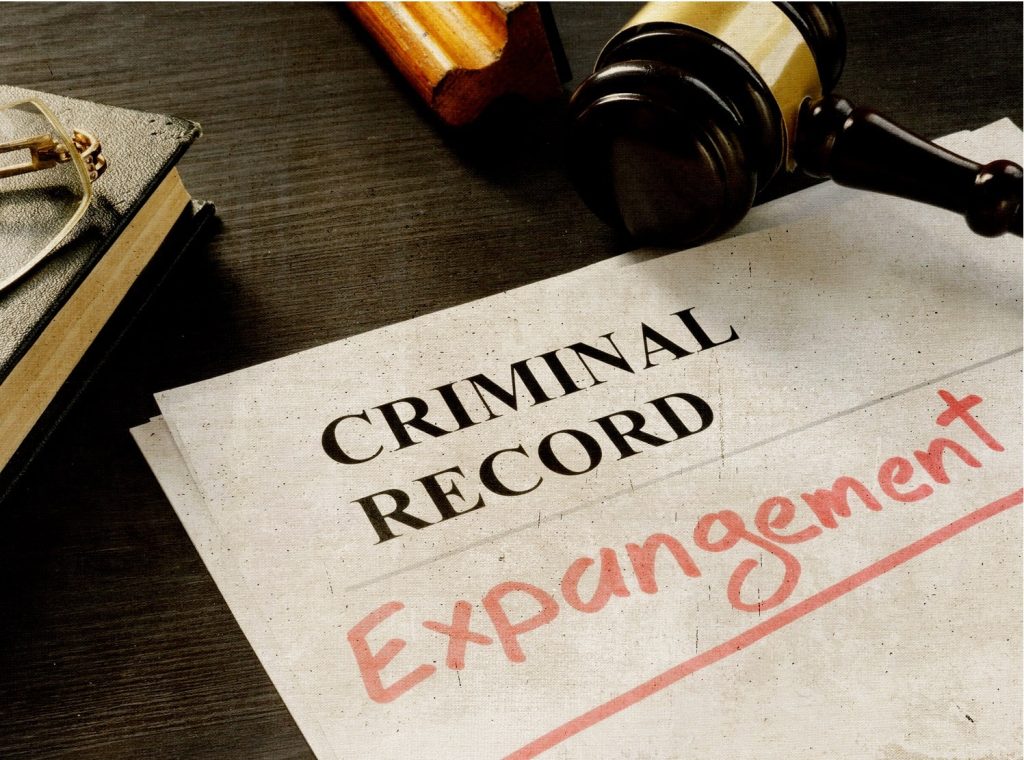
In some areas, you may be eligible to have your criminal record sealed or cleared, based on the extent of the charges and your subsequent actions. Your attorney can help you determine your eligibility for record sealing.