Searching For Identity Theft Defense Law Firms in Caldwell Texas?
Gustitis Law Is Prepared To Take Care Of Your Case!
Call Us at 979-701-2915 To Arrange a Consultation!
Protect Your Tomorrow with Skilled Identity Theft Defense Law Firms in Caldwell Texas!
Dealing With charges for offenses that need Identity Theft Defense Law Firms can be stressful, especially when you're unsure of your entitlements or the punishments you may deal with. Whether it is a lesser traffic violation or a serious robbery or computer-related crime, the experienced Gustitis Law legal team in Caldwell Texas is prepared to help.
With the knowledge of a Board Certified defense lawyer, Gustitis Law offers instant consultations, clear direction, and a focus on protecting your well-being.
Confused About Your Legal Entitlements or How the Law Operates?
When dealing with robbery, digital crimes, or traffic offenses and require Identity Theft Defense Law Firms in Caldwell Texas, it is easy to be confused about your legal rights. Numerous people worry about the potential penalties they might face, including fines and license suspensions to serious criminal charges that could impact their life.
Knowing the legal system - how offenses are brought, what arguments are available, and how to safeguard your rights - can be overwhelming.
Typical Queries Identity Theft Defense Law Firms Hear:
- What are my legal rights during an apprehension or after being accused?
- What kind of punishments could I encounter for these offenses?
- How long will this legal procedure last?
- Will this affect my employment or my ability to drive?
Gustitis Law understands the doubt that is inherent with these kinds of charges, which is the reason we are read y to support you every stage of the process.
Our experienced defense team is available for immediate consultations to address your questions and provide the legal support you require to decide confidently about your situation.
Need Identity Theft Defense Law Firms?
If you are unsure about what comes next, reach out to us today at 979-701-2915 for a no-cost discussion.
The lawyers at Gustitis Law are available to help you learn your rights and handle your legal matter.
How Gustitis Law Can Be Of Assistance
When facing criminal offenses, having skilled Identity Theft Defense Law Firms defending you can have quite an impact. At Gustitis Law, we deliver prompt defense assistance to help you manage the challenges of your legal matter.
Our Board-Certified criminal defense attorney and knowledgeable legal team are prepared to speak to you, address your concerns, and offer expert guidance specific to your specific circumstances by the following method:
- Urgent Sessions - We understand that time is of the essence. Our team is available to consult with you at the earliest opportunity, ensuring you get the answers and help you require without delay.
- Personalized Judicial Approaches - Every case that needs Identity Theft Defense Law Firms in Caldwell Texas is distinct. We will examine the details of your case thoroughly to create a legal defense that fits your unique situation.
- Clear Direction - Confusion about your legal privileges and the steps can add anxiety to an already challenging circumstance. We explain your alternatives in clear language, so you comprehend every step of the procedure.
- Demonstrated Expertise - When seeking Identity Theft Defense Law Firms, selecting a law firm with the background of a Board-Certified criminal defense lawyer is important, giving professional support to work hard for an optimal resolution, whether in court or through settlement.
Protecting Your Future
Gustitis Law is dedicated to securing your tomorrow by offering solid advocacy. Whether it is a property crime, a internet offense, or a driving offense, we work to minimize punishments and defend your legal privileges, securing the best outcome for your case.
Don’t Delay - contact our lawyers right away at 979-701-2915 to book your meeting. We are ready to help you decide on educated choices and safeguard your future from the beginning.
Why Trust Gustitis Law?
When it comes to the practice of Identity Theft Defense Law Firms, defending against property crimes, internet crimes, and traffic offenses in Caldwell Texas, you must have a law firm that’s not only experienced but also available to act fast. Gustitis Law sets itself apart because we deliver:
- Urgent Help - Timing is vital in any legal case. That’s why our team is always ready to consult with you immediately, addressing your urgent inquiries and delivering professional legal advice when you need it.
- Tailored Legal Support - No two cases are the same. We make the effort to comprehend the specifics of your matter and develop a personalized legal approach suited to your circumstances.
- Board Certified Skill - With the help of a Board-Certified criminal defense lawyer, you can feel secure that you have a highly qualified attorney working to safeguard your entitlements and ensure the optimal result.
- Caring Representation - We understand how difficult criminal accusations can be and we’re focused to not only delivering skilled legal counsel but also offering the empathetic assistance you need to manage this challenging situation.
Our objective is simply to defend your legal privileges and your future with expert legal defense. From your initial consultation to the end of your situation, the group at Gustitis Law is with you every stage of the way, making sure you’re aware, ready, and assured in your defense strategy.
About Our Law Firm
Our law firm is pleased to deliver high-quality defense strategies when seeking Identity Theft Defense Law Firms in Caldwell Texas. With over three decades of background representing individuals in the region, Gustitis Law has developed a reputation for immediate, effective legal assistance and tailored attention to each case.
Board-Certified Criminal Defense Lawyer
At the core of Gustitis Law is our Board-Certified criminal defense attorney, a skilled lawyer with a proven track record of success in defending clients against serious accusations. Board certification is a distinction held by only a select few of attorneys, signifying exceptional skill and experience in criminal defense.
With over 30 years of experience in law, the group at Gustitis Law is equipped to tactically work for the most favorable result in your case.
Our Promise to You
We are confident that every client who is looking for Identity Theft Defense Law Firms in Caldwell Texas should have to feel secure and supported throughout their court battle. That’s why we’re dedicated at:
- Defending Your Legal Entitlements - We advocate to guarantee that your privileges are defended throughout the entire legal case.
- Protecting Your Long-Term Prospects - We strive to lessen penalties, eliminate accusations, or discover other solutions that protect your future.
- Providing Clear Guidance - We ensure you’re informed at every step, so there are no unexpected events and you always know what to count on.
When you opt for Gustitis Law, you’re selecting a staff that is committed to helping individuals manage legal challenges with security and expert guidance.
Take Charge of Your Legal Case Now!
When you are searching for Identity Theft Defense Law Firms because you're facing accusations for larceny, computer crimes, driving violations, or other criminal matters in Caldwell Texas, our skilled legal team is ready to deliver rapid assistance and professional guidance. With over thirty years of proficiency and the skill of a Board-Certified criminal defense lawyer, Gustitis Law is set to fight for your legal privileges, reduce charges, and protect your tomorrow.
Do not let uncertainty or worry of the unknown stop you - let Gustitis Law help you manage the legal process with assurance. From burglary and theft accusations to cyber crimes and driving violations, we'll offer personalized legal strategies customized to your situation!
Need to Find Identity Theft Defense Law Firms in Caldwell Texas?
Don’t Face Criminal Allegations Solo!
Call Gustitis Law at 979-701-2915 To Book A Consultation!
Theft Offenses Defense FAQs:
1. What Is Larceny?
Stealing is the unlawful removal of another individual's possessions with the purpose to forever take away the possessor of it. It can include shoplifting, burglary, misappropriation, larceny, and other methods of misappropriation.
2. What Are the Different Types of Larceny?
Common forms of theft include:
- Petty Theft: Larceny of property below a set limit (typically under $500 or $1,000).
- Large-Scale Theft: Stealing of possessions above a specific amount (usually over $500 or $1,000).
- Shoplifting: Removing goods from a shop.
- Housebreaking: Entering a property with the purpose to commit theft or another offense.
- Armed Theft: Taking belongings by force or threat of violence.
- Financial Theft: Misappropriating funds or items entrusted to your care.
3. What Are the Penalties for Theft?
Consequences for theft differ depending on the value of the goods stolen and whether the violation is classified as a minor offense or felony. They can involve financial sanctions, restitution, court supervision, volunteer work, and jail time. Recidivists may face stricter penalties.
4. What Is the Variation Between Petty and Grand Theft?
Petty theft includes stealing goods of somewhat low value (typically under $500 or $1,000, based on the jurisdiction) and it is often a misdemeanor. Grand theft pertains to more costly property and is typically classified as a felony with more severe penalties.
5. What Are Common Arguments to Theft Allegations?
Common justifications include:
- No intent: You did not mean to indefinitely deny the possessor of the property.
- Misidentification: You were incorrectly identified as the person responsible.
- Consent: The owner gave you authorization to borrow or use the possessions.
- Rightful claim: You thought the goods were your rightful possession.
- Coercion: You were forced into taking the property.
6. Can I Be Prosecuted With Larceny if I Did Not Depart the Retail Location?
Yes, you can be accused with theft even if you did not exit the shop. Concealing an item with the intent to steal it or changing price tags can lead to retail theft allegations, even if you are still within the shop.
7. What Is Financial Theft?
Embezzlement is the stealing or misappropriation of money or property given to you, typically in a business or financial setting. Consequences for misappropriation can be harsh, subject to the value stolen and your position of trust.
8. Can I Be Accused With Larceny for Neglecting to Restore Loaned Items?
Yes, if you neglect to return borrowed goods and the possessor concludes you meant to forever keep it, you may be accused with stealing. The critical point is establishing the plan to keep from the owner of the property.
9. What Should I Take Action on If I Am Charged of Larceny?
If blamed of stealing, keep collected and refrain from making any comments to law enforcement without an attorney present. Talk to a criminal defense lawyer as soon as immediately to safeguard your legal protections and look into legal options.
10. Can I Be Prosecuted With Theft for Finding and Keeping Lost Property?
Yes, if you find lost property and do not make a reasonable attempt to return it to its original landowner, you can be accused with theft. The legal framework usually requires an honest attempt to identify the landlord before keeping the building.
11. What Is Personal Information Theft?
Identity theft happens when someone illegally takes another person's private data, such as a SSN or credit card, to perpetrate deception or stealing. Punishments for identity fraud are often strict and can lead to incarceration and restitution.
12. What Is Breaking and Entering, and How Is It Distinct From Larceny?
Breaking and entering entails unlawfully breaking into a building with the purpose to steal or another illegal act. It is different from larceny because the offense of housebreaking is focused on the trespassing, while stealing focuses on the taking of property.
13. Can I Be Charged With Stealing if I Was Just an Accomplice?
Yes, being an helper or partner to larceny can lead to the same accusations and consequences as the main perpetrator. Even if you did not directly steal the goods, you can be accused if you supported or encouraged the theft in any way.
14. What Is Burglary?
Larceny is the taking of property from another victim through the threat of coercion, violence, or intimidation. Larceny is classified as a more serious violation than theft due to the threatening aspect, and it includes more severe punishments.
15. Can I Be Charged With Theft for Giving Back Stolen Goods?
Giving back stolen goods does not automatically absolve you of theft charges, but it may be offered as an indication of regret and may lead to lesser consequences. It’s crucial to consult an attorney before making any decisions.
16. What Is Compensation in a Theft Case?
Restitution is a legally mandated repayment to the plaintiff to compensate their economic harm. In many stealing situations, the accused will be required to provide reimbursement to the injured party as part of their punishment, in addition to financial sanctions or incarceration.
17. How Can a Theft Conviction Impact My Employment?
A theft conviction can make it difficult to find a job, especially in jobs that require reliability or overseeing money or valuable items. Hiring managers may see larceny charges as a red flag of dishonesty.
18. Can a Stealing Offense Be Expunged From My Criminal History?
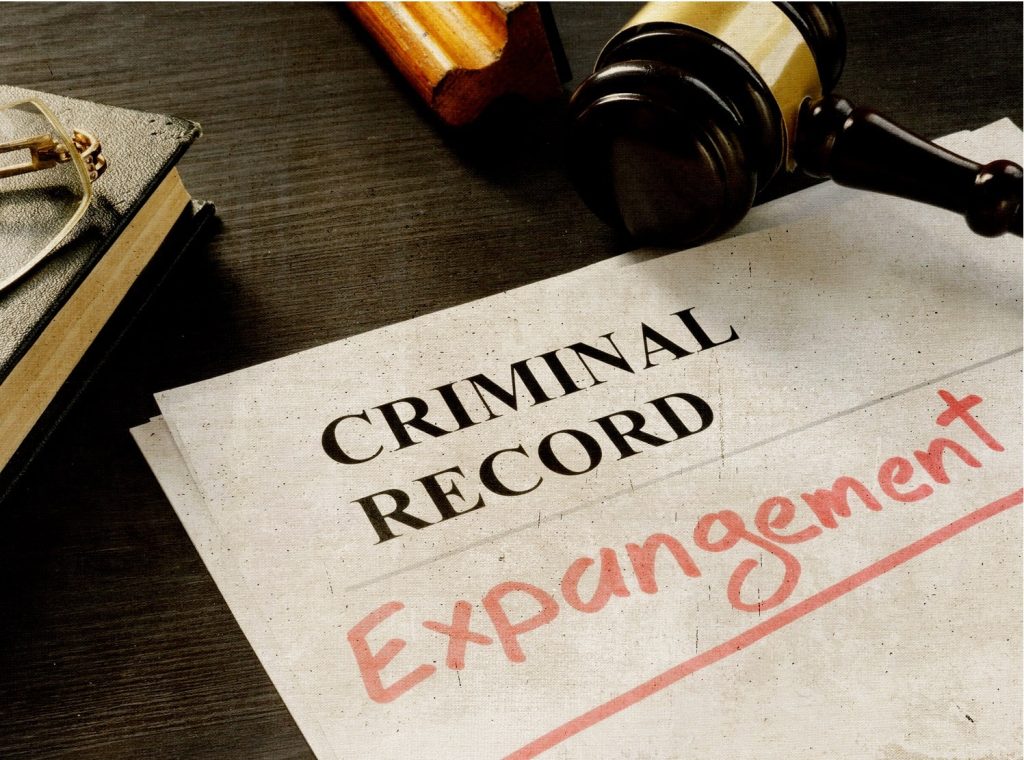
In some situations, theft charges can be removed from your background, particularly if it was a small-scale crime or your initial crime. Eligibility for removal depends on regional regulations and whether you have fulfilled the requirements of your penalty.
19. What Is Shoplifting and How Is It Handled?
Retail theft is the offense of stealing items from a retail establishment. It can be charged as petty theft or grand theft, based on the cost of the goods removed. Many jurisdictions have enhanced penalties for recidivists or group shoplifting.
20. Can I Be Charged With Larceny for Acquiring Something by Error?
If you acquired property by mistake or assumed it was your property, this can be used as a justification against theft charges. The state must prove that you meant to deny the property holder of the goods.
21. What Is Auto Theft and How Is It Argued?
Auto theft includes taking a a vehicle without the possessor’s authorization. Arguments to auto theft prosecution may entail misidentification, absence of intent, or proving that you had permission to use the car. In some instances, plea bargains can be agreed upon to reduce charges.
22. What Is the Variation Between Larceny and Stealing?
Larceny and stealing are often used synonymously, but in court, larceny precisely applies to the unauthorized appropriation of belongings. Stealing is a broader category that includes various types of stealing, including larceny, burglary, and mugging.
23. Can I Be Prosecuted With Stealing for Utilizing Another Person’s Debit Card?
Yes, utilizing a third party’s credit card without their authorization is considered financial fraud or stealing and can result in serious penalties. Even utilizing the card with the possessor’s awareness but without explicit permission can result in charges.
24. What Is the Difference Between Theft and Fraud?
Larceny involves directly taking someone’s belongings, while fraud entails lies to get money. Fraudulent activities can entail credit card fraud, bank fraud, and financial theft.
25. What Are the Consequences of a Theft Conviction?
A larceny charge can lead to a criminal record, imprisonment, financial sanctions, court supervision, community service, and repayment to the affected party. It may also have enduring consequences on your chance to get work, a residence, or work permits.
26. Can an Underage Person Be Charged With Larceny?
Yes, juveniles can be prosecuted with larceny, and their trials are usually dealt with in youth court. While consequences for minors may be less harsh than for adults, an underage stealing offense can still lead to fines, mandatory work, supervised release, or juvenile detention.
27. Can I Be Charged With Stealing if I Reclaim an Item I Sold?
Yes, if you sell an item and then reclaim it without the buyer’s authorization, you may be prosecuted with stealing. Once an item is sold, it lawfully is owned by the purchaser, and retrieving it without consent is classified as stealing.
28. How Does a Larceny Trial Move Forward in Court?
In a larceny trial, the prosecution must show that you illegally stole assets with the purpose to permanently deprive the owner of it. Your lawyer will introduce testimony and statements to refute the prosecution’s allegations or arrange for reduced charges.
29. Can I Be Taken Into Custody for Larceny if I Was Not Apprehended in the Process?
Yes, you can be arrested for stealing even if you weren’t caught in the moment. Evidence such as security footage, statements from witnesses, or DNA evidence can cause charges being brought after the fact.
30. What Takes Place If I Am Sentenced of Larceny While on Supervised Release?
If you are convicted of stealing while on supervised release for another violation, it can result in additional consequences, including removal of probation, increased probation periods, or jail time for violating the conditions of your parole.
31. Can Theft Charges Be Dropped?
Stealing allegations may be dismissed if the state is missing sufficient documentation, if recent supporting evidence emerges, or if a settlement is arranged. A skilled defense attorney can negotiate to have charges lowered or withdrawn.
32. What Is the Function of a Defense Attorney in a Larceny Trial?
A criminal defense lawyer will examine the proof, create a counterargument, and negotiate with the state. They will try to have charges reduced, arrange settlements, or present your trial in court to obtain the best possible outcome.
33. What Is Large-Scale Theft of Retail Merchandise?
Organized retail theft includes teams or individuals who steal large amounts of products from stores to resell the items. This is a more serious violation than typical retail theft and often includes harsher penalties due to the coordinated effort of the offense.
34. Can I Be Charged With Theft for Unpaid Bills or Services?
Yes, in some cases, inability to cover for offerings or goods can result in larceny accusations, especially if there is evidence that you did not plan to cover. This is commonly referred to as “theft of services.
35. What Is the Value Threshold for Grand Theft in Texas?
The legal threshold for grand theft depends on region but is commonly over $500 in Texas. Anything over this limit is charged as grand theft, which is a major crime, while sums below are typically treated as petty theft, which is a misdemeanor.