Looking For Computer Offenses Defense Law Firms in College Station Texas?
Gustitis Law Is Ready To Manage Your Case!
Reach Out at 979-701-2915 To Schedule an Appointment!
Defend Your Tomorrow with Expert Computer Offenses Defense Law Firms in College Station Texas!
Facing accusations for violations that need Computer Offenses Defense Law Firms can be overwhelming, especially when you're unsure of your legal rights or the consequences you may encounter. Whether it's a minor driving infraction or a major theft or computer-related crime, the skilled Gustitis Law defense team in College Station Texas is available to assist.
With the knowledge of a Board Certified defense lawyer, Gustitis Law provides instant meetings, straightforward advice, and a focus on protecting your future.
Uncertain About Your Legal Rights or How the Legal Process Works?
When charged with robbery, cyber, or driving offenses and need Computer Offenses Defense Law Firms in College Station Texas, it is easy to be lost about your rights. Many individuals fear the potential consequences they might have to deal with, including fines and license revocations to major criminal charges that could impact their future.
Learning about the legal process - how charges are made, what legal strategies are available, and how to protect yourself - can be confusing.
Typical Questions Computer Offenses Defense Law Firms Answer:
- What are my rights during an arrest or after being arrested?
- What kind of consequences could I encounter for these violations?
- How long will this process continue?
- Will this harm my job or my driving privileges?
Gustitis Law is aware of the uncertainty that is inherent with these types of charges, which is the reason we are read y to assist you every step of the way.
Our experienced legal team is ready for instant consultations to answer your queries and provide the legal support you seek to make educated choices about your legal matter.
Looking for Computer Offenses Defense Law Firms?
If you're unsure about what to do next, reach out to us right away at 979-701-2915 for a free discussion.
The attorneys at Gustitis Law are available to help you learn your civil liberties and handle your situation.
How Gustitis Law Can Be Of Assistance
When dealing with criminal accusations, having skilled Computer Offenses Defense Law Firms supporting you can make all the difference. At Gustitis Law, we deliver immediate defense assistance to help you handle the challenges of your situation.
Our Board-Certified criminal defense attorney and experienced legal team are available to speak to you, respond to your concerns, and offer expert guidance specific to your specific situation by the following strategy:
- Prompt Consultations - We understand that timing is essential. Our staff is on-hand to speak with you without delay, ensuring you obtain the solutions and assistance you must have immediately.
- Tailored Judicial Plans - Every situation that requires Computer Offenses Defense Law Firms in College Station Texas is unique. We will assess the details of your case thoroughly to craft a strategy that fits your specific circumstances.
- Concise Advice - Confusion about your legal rights and the steps can add pressure to an already difficult scenario. We explain your alternatives in simple language, so you grasp every stage of the process.
- Established Expertise – When looking for Computer Offenses Defense Law Firms, finding a law firm with the expertise of a Board-Certified defense attorney is important, providing specialized support to work hard for the best outcome, whether in legal proceedings or through settlement.
Protecting Your Fate
Gustitis Law is committed to safeguarding your future by offering solid advocacy. Whether it’s a property crime, a cyber crime, or a road infraction, we advocate to minimize punishments and protect your legal privileges, securing the optimal resolution for your case.
Do Not Wait - contact our legal representative right away at 979-701-2915 to schedule your consultation. We’re here to help you decide on informed steps and secure your future from the very start.
Why Trust Gustitis Law?
When it comes to the efforts of Computer Offenses Defense Law Firms, protecting against larceny, cyber offenses, and driving violations in College Station Texas, you require a law firm that’s not only experienced but also available to act fast. Gustitis Law is different because we provide:
- Immediate Assistance - Timing is vital in any legal case. That’s why our staff is always ready to speak with you immediately, responding to your important concerns and offering expert legal counsel when you require it.
- Tailored Legal Help - No two legal matters are the same. We make the effort to understand the details of your case and develop a personalized legal approach customized to your circumstances.
- Board Certified Knowledge - With the backing of a Board-Certified criminal defense lawyer, you can rest assured that you have an expert attorney fighting to defend your rights and achieve the optimal resolution.
- Caring Representation - We understand how stressful court cases can be and we are committed to not only offering expert legal guidance but also giving the caring support you deserve to navigate this challenging time.
Our goal is simply to protect your legal privileges and your tomorrow with expert legal defense. From your first meeting to the outcome of your situation, the team at Gustitis Law is with you every phase of the way, ensuring you’re updated, prepared, and confident in your legal defense.
About Our Law Firm
Our law firm is proud to offer top-tier defense strategies when seeking Computer Offenses Defense Law Firms in College Station Texas. With over 30 years of expertise representing individuals in the region, Gustitis Law has developed a standing for prompt, effective legal support and personalized care to each situation.
Board-Certified Criminal Defense Lawyer
At the heart of Gustitis Law is our Board-Certified criminal defense attorney, a law expert with a successful record in protecting clients against major accusations. Board certification is an honor held by only a limited number of attorneys, demonstrating high-level expertise and experience in criminal law.
With over three decades of practicing law, the group at Gustitis Law is equipped to strategically advocate for the optimal resolution in your legal matter.
Our Promise to You
We are convinced that every client who is needing to find Computer Offenses Defense Law Firms in College Station Texas should have to feel secure and supported throughout their court struggle. That’s why we’re committed to:
- Safeguarding Your Legal Privileges - We fight to make sure that your privileges are upheld throughout the entire process.
- Safeguarding Your Tomorrow - We work tirelessly to reduce punishments, dismiss allegations, or discover different solutions that safeguard your future.
- Providing Straightforward Information - We make sure you are aware at every stage, so there aren't any shocks and you always understand what to anticipate.
When you opt for Gustitis Law, you are deciding on a team that is focused to assisting defendants handle court cases with security and skilled advice.
Take Charge of Your Legal Case Today!
Whenever you're searching for Computer Offenses Defense Law Firms because you're dealing with accusations for property crimes, computer crimes, road infractions, or other legal issues in College Station Texas, our skilled defense group is here to offer prompt support and expert guidance. With over thirty years of experience and the skill of a Board-Certified defense attorney, Gustitis Law is set to defend your legal privileges, reduce penalties, and defend your tomorrow.
Do not let lack of clarity or worry of the unpredictable stop you - let Gustitis Law assist you manage the legal steps with assurance. From property and theft accusations to computer crimes and traffic offenses, we'll provide custom defense strategies tailored to your case!
Trying to Locate Computer Offenses Defense Law Firms in College Station Texas?
Do Not Try to Manage Legal Charges Solo!
Call Gustitis Law at 979-701-2915 To Arrange A Consultation!
Computer Offenses Defense FAQs
1. What Are Cybercrimes?
Cybercrimes, also known as internet-based crimes, involve unlawful acts executed through IT systems or the internet. These can involve hacking, personal data theft, online fraud, fraudulent email schemes, spreading malicious software, and unauthorized access to systems.
2. What Are Common Types of Computer Crimes?
Common categories of digital offenses include:
- Unauthorized Access - Accessing illegal entry to systems.
- Data Theft - Illegally obtaining sensitive data to conduct illegal activities.
- Phishing -Using fraudulent messages or websites to acquire personal details.
- Internet Scams - Conning people or organizations for illegal revenue.
- Deploying Malicious Software - Dispersing harmful programs, data-hijacking programs, or other destructive programs.
- Online Harassment - Intimidating or menacing people digitally.
3. What Should I Do If I’m Accused of a Cybercrime?
If accused of a cybercrime, avoid discussing the charges with police without an attorney available. Keep any evidence that might support your defense, and reach out to a criminal attorney knowledgeable about cybercrime cases as soon as possible.
4. Can I Be Charged With a Computer Crime if I Did Not Know I Was Committing a Crime?
Yes. Unawareness is rarely an excuse for digital crimes, especially in situations about unauthorized access. However, an attorney can claim that you didn’t intend or that there was confusion about your actions.
5. What Are the Penalties for Digital Offenses?
Punishments for computer crimes are different depending on the severity of the crime and jurisdiction. They can range from fines, probation, and community service to extended jail time. Some federal- cybercrimes carry stricter sentences, including substantial prison sentences.
6. Can a Computer Crime Be Charged as a Federal Cyber Offense?
Yes, many cybercrimes, particularly those about hacking, personal information theft, digital fraud, and violations of the CFAA law, are handled at the federal level. Federal crimes typically include more severe penalties than local cyber crimes.
7. What Are the Legal Strategies to Hacking Charges?
Common arguments to unauthorized access claims are:
- Unintentional Access - You didn’t purposely access a device without authorization.
- Consent - You had permission to enter the network in issue.
- Entrapment - Police induced you to engage in the illegal act.
- Wrongful Accusation - A different person used your IP address.
8. What Is Illegal System Entry in Digital Law?
Unpermitted access describes obtaining entry to a data set without permission. Even if no harm is inflicted, merely accessing a system without authorization can cause criminal charges under local or government statutes.
9. Can I Be Held Responsible for Downloading Illegal Content?
Yes, illegally obtaining files, such as pirated software, films, or copyrighted material can lead to prosecution. More serious charges, such as accessing illegal material, can lead to serious consequences, such as lengthy jail terms.
10. What Is Digital Fraud and Can I Be Prosecuted for It?
Email-based fraud includes using deceptive emails or online pages to trick people into revealing private data, such as account details or banking data. If you are involved in creating phishing schemes, you can be held accountable with several kinds of identity theft.
11. What Is Identity Fraud in the Context of Computer Crimes?
Identity fraud occurs when someone uses another person’s identity, such as social security information or credit card details, to commit fraud. Computer-based identity theft is a major crime, often prosecuted at both regional and a national level.
12. Can I Be Held Responsible for Distributing Account Access?
Sharing passwords can cause legal consequences Whenever it includes unauthorized access to networks, services, or private information, particularly if it breaks service agreements or causes economic damage. In some cases, sharing passwords for subscription services may lead to civil penalties.
13. What Is Cyberstalking and How Is It Handled?
Cyberstalking entails the application of digital tools, communications, or internet platforms to intimidate or threaten an individual. This crime is frequently prosecuted as a severe violation, with penalties such as protective orders, fines, and imprisonment.
14. Can I Be Prosecuted for Something I Said Online?
Yes, you can be held responsible for digital comments if it results in stalking, threats, libel, or incitement of illegal activities. Regulations vary by state, but many internet activities can lead to legal prosecution, notably if they inflict damage or inflict injury.
15. How Does Law Enforcement Look Into Digital Offenses?
Law enforcement agencies, such as the FBI and regional cyber teams, employ digital forensics to investigate cybercrimes. They might monitor online behavior, review computer files, and partner with internet service providers (ISPs) to build a case.
16. What Is the Computer Fraud and Abuse Act (CFAA)?
The CFAA is a government statute that criminalizes unauthorized access to digital systems and systems, intrusions, and the distribution of malware. Breeches of the CFAA can result in major punishments, for example significant financial punishments and extended jail time.
17. Can I Be Held Responsible With a Digital Offense if I Was Authorized to Test System Vulnerabilities?
Yes, you could be held accountable if your actions exceed the scope your permission, even if you were contracted to evaluate vulnerabilities (known as ethical hacking). Be certain that you have explicit and written permission from the company or organization before conducting security evaluations.
18. What Is Digital Extortion and Can I Be Charged for Spreading It?
Ransomware is a type of harmful software that locks a system’s information or network until a ransom is transferred. Deploying such software is a severe criminal act, with penalties that may entail lengthy incarceration, notably if businesses or essential systems are targeted.
19. Can I Be Charged for Internet Fraud or Duplicity?
Yes, online schemes and deception, such as payment scams, scam offers, or digital marketplace scams, can cause both regional and federal prosecutions. According to the scale and the number of victims, punishments can range from fines to significant incarceration.
20. What Is Electronic Communications Fraud in the Scope of Computer Crimes?
Electronic communications fraud involves employing the internet to engage in deception. Lots of online scams, phishing schemes, and additional scam operations are classified under federal fraud laws, which lead to significant legal punishments under government regulations.
21. Can I Be Charged for Purchasing Illicit Information Online?
Yes, purchasing or exploiting unauthorized personal details, such as private identification details or private data, can lead to legal consequences, including fraudulent activity and financial deception. Even if you didn’t know that the data was illegally obtained, you could still incur prosecution.
22. How Serious Are Computer Offense Charges Involving Minors?
Cybercrimes that affect minors, such as sharing illicit content or cyber bullying, result in very serious punishments. Government statutes enforce significant incarceration, hefty fines, and permanent listing as a sex offender in some cases.
23. Can I Be Held Responsible for Using Open Wireless Networks Without Approval?
Using public internet access without legal approval can be classified as cyber trespassing under some legal frameworks, notably if you make use of it to engage in unlawful behavior. In many areas, this is considered a minor crime or unauthorized system use.
24. How Can I Legally Argue Against Computer Crime Accusations?
Arguments against digital offense claims may take into account:
- Lack of Intent - You did not knowingly commit a crime.
- Permission - You had authorization to enter the system.
- Wrongful Accusation - Another person exploited your IP address.
- Government Coercion - Authorities encouraged you to engage in the illegal activity.
25. What Are the Punishments for Distributing Malware?
Distributing malware, such as viruses, computer worms, or ransomware is a federal crime that can result in major consequences, for example long-term imprisonment, hefty financial penalties, and potential civil lawsuits from victims or organizations.
26. How Do Digital Forensics Impact Fighting Computer Crime Accusations?
Digital forensics can be utilized to follow electronic actions, recover erased information, and analyze devices involved in cybercrimes. Forensic experts retained by your lawyer may find proof that helps to exonerate you or cast doubt the prosecution's case.
27. Can I Be Held Responsible for Declining to Give Law Enforcement Access to My Computer?
Refusing to give law enforcement access to your computer or access codes can lead to charges if law enforcement has a court mandate. However, you have legal protections to defending you against unauthorized requests and your legal representative can oppose unjust searches for information.
28. What Happens When I’m Sentenced for a National Cybercrime?
If sentenced for a major digital crime, you could encounter significant consequences, for example imprisonment, hefty financial penalties, seizure of belongings, and a lifelong record. Government regulations are strict, and it is vital to have an experienced defense attorney.
29. Can I Appeal a Guilty Verdict for a Digital Offense?
Yes, you can challenge a guilty verdict if you believe there were errors in the court process, legal proceedings, or if your rights were violated. Your lawyer can lodge an appeal with a superior court to examine the case and seek a reversal or a retrial.
30. What Is Digital Terrorism?
Cyber terrorism refers to the use of computers and the internet to conduct attacks on key services, public institutions, or corporations with the intent to create panic, damage or affect functioning. Accusations of digital terrorism are highly severe and can result in lifetime sentences.
31. Can My Online Activity Be Presented in Court in a Computer Crime Case?
Yes, social media posts, posts, and other internet-based actions can be introduced as evidence in a digital offense trial. If your online activity indicates involvement in illegal actions or presents harmful facts, it can be admitted as evidence.
32. How Can a Computer Crime Verdict Affect My Job?
A computer crime guilty verdict can severely impact your employment opportunities, especially in sectors that perform criminal history reviews or security clearances. Many organizations are unwilling to hire individuals with criminal records related to scams, hacking, or personal data fraud.
33. Can I Be Held Responsiblefor Allowing Someone to Use My Device for Illegal Activity?
If another person employs your computer or digital platform to engage in crimes and you were uninformed, you may not face direct charges. However, if you permitted them to employ your device or didn’t protect it, you could be held responsible as an accomplice or for failure to secure.
34. What Is the Dissimilarity Between a Less Severe Crime and a Major Crime?
Minor digital offenses typically involve less severe offenses, such as illegal system use without harm, while felony computer crimes include more major offenses, such as identity theft, hacking, or deploying viruses. Major crime sentences carry more severe consequences, including extended jail time.
35. Can a Criminal Record for a Cybercrime Be Sealed?
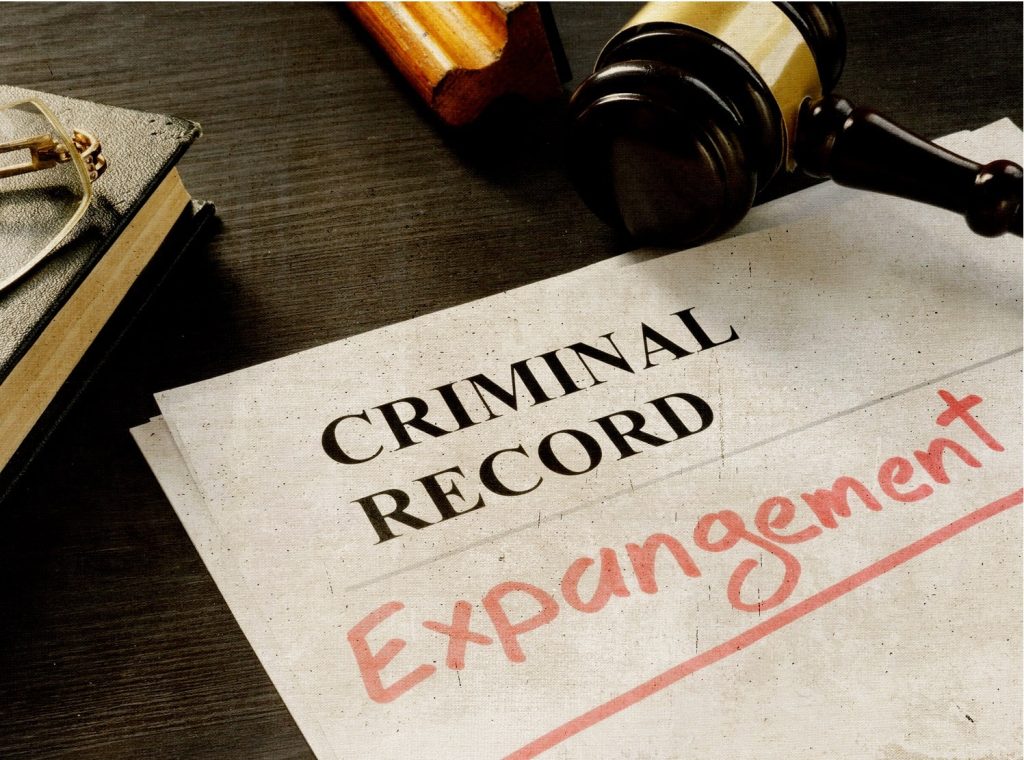
In some regions, you may be qualified to have your criminal record expunged or eradicated, depending on the severity of the charges and your subsequent actions. Your legal advocate can help you determine your chances for expungement.
Verified

Verified
Verified
Verified
Verified