Searching For Credit Card Fraud Defense Attorneys in Hearne Texas?
Gustitis Law Is Prepared To Take Care Of Your Case!
Reach Out at 979-701-2915 To Set Up a Meeting!
Safeguard Your Well-being with Skilled Credit Card Fraud Defense Attorneys in Hearne Texas!
Confronting charges for violations that need Credit Card Fraud Defense Attorneys can be difficult, especially when you're unaware of your rights or the penalties you may deal with. Whether it is a small traffic offense or a serious robbery or digital offense, the knowledgeable Gustitis Law defense team in Hearne Texas is ready to assist.
With the expertise of a Board Certified criminal defense lawyer, Gustitis Law gives immediate discussions, clear direction, and a focus on protecting your future.
Uncertain About Your Rights Under the Law or How the Law Operates?
When dealing with robbery, digital crimes, or traffic offenses and require Credit Card Fraud Defense Attorneys in Hearne Texas, it is common to be confused about your entitlements. Many people are concerned about the potential consequences they might face, including fines and lost driving privileges to severe offenses that could alter their life.
Knowing the legal system - how offenses are filed, what defenses are possible, and how to protect yourself - can be confusing.
Common Queries Credit Card Fraud Defense Attorneys Answer:
- What are my rights during a detainment or after being accused?
- What type of consequences could I face for these violations?
- How long will this process continue?
- Will this affect my work or my ability to drive?
Gustitis Law understands the uncertainty that comes with these kinds of situations, and that is why we are here to support you every stage of the process.
Our skilled defense team is available for immediate meetings to answer your questions and offer the legal guidance you need to decide confidently about your legal matter.
Looking for Credit Card Fraud Defense Attorneys?
If you are confused about what comes next, reach out to us now at 979-701-2915 for a no-cost consultation.
The legal experts at Gustitis Law are ready to help you understand your legal rights and handle your case.
How Gustitis Law Can Help You
When confronted with law-related accusations, having skilled Credit Card Fraud Defense Attorneys on your side can have quite an impact. At Gustitis Law, we provide prompt law-related assistance to help you manage the complexities of your case.
Our Board-Certified criminal defense lawyer and knowledgeable legal team are prepared to speak to you, respond to your concerns, and provide expert advice tailored to your unique circumstances by the following strategy:
- Prompt Sessions - We recognize that time is crucial. Our team is ready to speak with you as soon as possible, making sure that you obtain the solutions and help you must have right away.
- Customized Law-Related Strategies - Every situation that requires Credit Card Fraud Defense Attorneys in Hearne Texas is unique. We will examine the details of your situation carefully to build a defense that suits your specific needs.
- Clear Advice - Uncertainty about your judicial rights and the process can add pressure to an already stressful situation. We break down your options in clear ways, so you comprehend every phase of the journey.
- Proven Knowledge - When searching for Credit Card Fraud Defense Attorneys, selecting a legal team with the expertise of a Board-Certified defense lawyer is vital, offering specialized advocacy to fight for the best outcome, whether in court or through mediation.
Protecting Your Tomorrow
Gustitis Law is committed to protecting your future by offering solid defense. Whether it’s a theft offense, a cyber crime, or a driving offense, we work to reduce sanctions and defend your entitlements, ensuring the most favorable resolution for your case.
Do Not Hesitate - get in touch with our team now at 979-701-2915 to book your meeting. We are ready to help you decide on knowledgeable decisions and protect your tomorrow from the onset.
Why Choose Gustitis Law?
When it comes to the efforts of Credit Card Fraud Defense Attorneys, defending against theft, cyber offenses, and traffic offenses in Hearne Texas, you need a legal team that’s not only skilled but also available to move quickly. Gustitis Law is different because we offer:
- Immediate Support - Time is important in any legal case. That’s why our team is always available to meet with you without delay, addressing your important concerns and providing specialized legal advice when you need it.
- Tailored Assistance - No two legal matters are identical. We take the time to understand the specifics of your case and develop a personalized legal approach suited to your situation.
- Board Certified Skill - With the backing of a Board-Certified defense attorney, you can rest assured that you have an expert attorney fighting to defend your legal privileges and secure the optimal resolution.
- Empathetic Advocacy - We recognize how stressful court cases can be and we’re committed to not only delivering professional legal counsel but also providing the caring help you need to get through this stressful situation.
Our objective is simply to defend your legal privileges and your future with expert representation. From your first meeting to the end of your situation, the group at Gustitis Law is with you every step of the way, guaranteeing you’re updated, ready, and secure in your approach.
Learn About Our Law Firm
Our legal team is proud to provide high-quality defense strategies when looking for Credit Card Fraud Defense Attorneys in Hearne Texas. With over thirty years of background representing defendants in the locality, Gustitis Law has established a reputation for immediate, successful legal help and tailored focus to each situation.
Board-Certified Defense Attorney
At the core of Gustitis Law is our Board-Certified criminal defense lawyer, a skilled lawyer with a successful record in defending clients against serious accusations. Board certification is a title held by only a small percentage of legal professionals, indicating outstanding proficiency and background in criminal law.
With over three decades of practicing law, the staff at Gustitis Law knows how to tactically fight for the best possible result in your legal matter.
Our Commitment to You
We are confident that every client who is looking for Credit Card Fraud Defense Attorneys in Hearne Texas should have to feel assured and backed during their court battle. That is why we are dedicated at:
- Protecting Your Rights - We advocate to ensure that your legal rights are upheld throughout the entire legal case.
- Protecting Your Long-Term Prospects - We strive to lessen penalties, drop charges, or find other solutions that defend your future.
- Offering Concise Communication - We ensure you are aware at every stage, so there are no shocks and you always understand what to count on.
When you select Gustitis Law, you’re deciding on a group that is dedicated to helping defendants navigate legal struggles with confidence and expert guidance.
Take Charge of Your Legal Case Now!
Whenever you are seeking Credit Card Fraud Defense Attorneys because you're dealing with accusations for larceny, computer crimes, driving violations, or other legal issues in Hearne Texas, our proficient defense group is available to deliver rapid help and expert counsel. With over 30 years of expertise and the comprehension of a Board-Certified criminal attorney, Gustitis Law is set to protect your legal privileges, minimize penalties, and safeguard your long-term prospects.
Do not let lack of clarity or worry of the unpredictable stop you - let Gustitis Law help you get through the legal process with assurance. From burglary and theft accusations to cyber crimes and road infractions, we will offer custom legal strategies suited for your situation!
Trying to Find Credit Card Fraud Defense Attorneys in Hearne Texas?
Don’t Face Legal Charges Alone!
Call Gustitis Law at 979-701-2915 To Arrange A Meeting!
Theft Offenses Defense FAQs:
1. What Is Larceny?
Larceny is the illegal taking of another individual's property with the intent to permanently take away the proprietor of it. It can involve shoplifting, burglary, financial theft, theft, and other types of stealing.
2. What Are the Forms of Larceny?
Common forms of stealing include:
- Small-Scale Theft: Stealing of property below a specific amount (usually under $500 or $1,000).
- Major Theft: Larceny of possessions above a set limit (generally over $500 or $1,000).
- Retail Theft: Removing products from a shop.
- Housebreaking: Entering a building with the aim to take or another crime.
- Mugging: Taking possessions by violence or threat of violence.
- Financial Theft: Stealing money or possessions entrusted to your care.
3. What Are the Consequences for Stealing?
Penalties for theft differ depending on the value of the goods stolen and whether the offense is classified as a lesser crime or serious crime. They can consist of financial sanctions, restitution, supervised release, volunteer work, and jail time. Repeat offenders may receive stricter consequences.
4. What Is the Difference Between Petty and Grand Theft?
Petty theft includes stealing property of somewhat lower value (generally under $500 or $1,000, depending on the state) and it is commonly a misdemeanor. Grand theft involves more costly items and is commonly classified as a serious crime with more harsher penalties.
5. What Are Common Arguments to Stealing Accusations?
Common arguments include:
- Lack of intent: You did not mean to indefinitely deprive the possessor of the items.
- Misidentification: You were incorrectly identified as the person responsible.
- Approval: The owner gave you authorization to take or use the items.
- Rightful claim: You understood the items were yours.
- Compulsion: You were coerced into committing the theft.
6. Can I Be Accused With Larceny if I Didn’t Exit the Retail Location?
Yes, you can be prosecuted with stealing even if you did not depart the retail location. Concealing an object with the purpose to take it or altering pricing can result in retail theft charges, even if you are still in the store.
7. What Is Misappropriation?
Embezzlement is the theft or misappropriation of funds or property entrusted to you, commonly in an employment or trust-based setting. Penalties for misappropriation can be strict, subject to the sum embezzled and your trusted position.
8. Can I Be Prosecuted With Stealing for Failing to Restore Borrowed Property?
Yes, if you fail to restore loaned items and the rightful owner concludes you intended to permanently hold onto it, you may be charged with theft. The main consideration is establishing the purpose to permanently deprive the rightful owner of the property.
9. What Should I Do If I Am Charged of Larceny?
If blamed of stealing, remain calm and stay away from making any comments to authorities without a lawyer present. Talk to a defense attorney as soon as immediately to safeguard your legal protections and explore legal options.
10. Can I Be Prosecuted With Larceny for Locating and Retaining Unclaimed Land?
Yes, if you find lost property and do not make a good faith effort to restore it to its property holder, you can be prosecuted with theft. The law usually mandates a reasonable effort to locate the property holder before retaining the asset.
11. What Is Identity Theft?
Identity fraud takes place when someone illegally uses another person's private data, such as a Social Security number or debit card, to commit scams or stealing. Penalties for identity theft are often severe and can lead to jail time and repayment.
12. What Is Breaking and Entering, and How Is It Distinct From Theft?
Breaking and entering includes unlawfully breaking into a building with the purpose to carry out a crime or another crime. It varies from theft because the offense of breaking and entering is focused on the trespassing, while theft focuses on the acquisition of goods.
13. Can I Be Prosecuted With Stealing if I Was Just an Accomplice?
Yes, being an accomplice or collaborator to theft can cause the same charges and penalties as the primary offender. Even if you did not personally take the goods, you can be prosecuted if you assisted or abetted the larceny in any way.
14. What Is Robbery?
Robbery is the removal of property from another individual through the application of coercion, physical harm, or coercion. Theft is classified as a more grave offense than larceny due to the use of violence, and it carries harsher penalties.
15. Can I Be Accused Of Robberty If I Return Misappropriated Items?
Giving back illegally taken property doesn't automatically clear you of larceny accusations, but it may be offered as proof of contrition and may lead to lighter punishments. It’s important to speak with a lawyer before making any decisions.
16. What Is Restitution in a Theft Case?
Restitution is a legally mandated financial penalty to the victim to reimburse their financial loss. In many burglary offenses, the offender will be mandated to pay compensation to the plaintiff as part of their penalty, in addition to fines or jail time.
17. How Can a Theft Conviction Impact My Job Prospects?
A burglary charge can make it challenging to find a job, especially in jobs that necessitate trust or managing funds or high-value assets. Employers may view theft offenses as a indicator of unreliability.
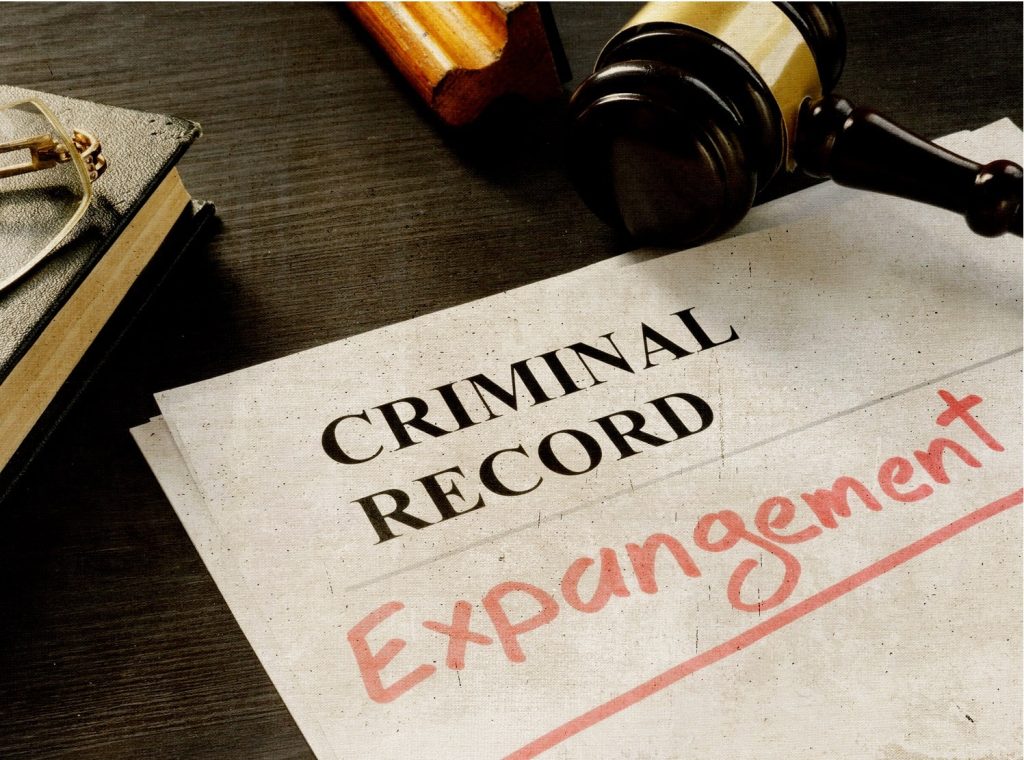
18. Can a Burglary Accusation Be Expunged From My Background?
In some instances, burglary accusations can be expunged from your criminal history, particularly if it was a small-scale crime or your primary charge. Suitability for expungement is based on regional regulations and whether you have fulfilled the terms of your penalty.
19. What Is Store Theft and How Is It Prosecuted?
Retail theft is the act of removing merchandise from a shop. It can be prosecuted as petty theft or large-scale stealing, subject to the worth of the merchandise removed. Many jurisdictions have enhanced penalties for repeat offenders or coordinated retail crime.
20. Can I Be Charged With Theft for Taking Something by Error?
If you removed possessions by mistake or believed it was yours, this can be offered as an argument against larceny accusations. The state must prove that you planned to permanently deprive the owner of the goods.
21. What Is Vehicle Theft and How Is It Defended?
Auto theft entails removing a a car without the proprietor’s authorization. Defenses to vehicle theft accusations may include wrong identification, lack of intent, or proving that you had permission to use the car. In some cases, plea bargains can be arranged to lessen charges.
22. What Is the Difference Between Larceny and Stealing?
Larceny and robbery are often used in a similar manner, but in law, larceny explicitly applies to the illegal removal of assets. Stealing is a more general definition that encompasses various types of taking, such as larceny, breaking and entering, and mugging.
23. Can I Be Charged With Theft for Employing Another Person’s Credit Card?
Yes, using a third party’s credit card without their permission is considered financial fraud or theft and can cause serious accusations. Even employing the card with the owner's awareness but without clear authorization can result in charges.
24. What Is the Difference Between Larceny and Fraud?
Larceny includes physically removing someone’s property, while deception entails lies to get services. Scams can entail credit card fraud, credit card fraud, and misappropriation.
25. What Are the Impacts of a Larceny Charge?
A theft conviction can lead to a legal history, imprisonment, fines, probation, volunteer work, and restitution to the affected party. It may also have long-term consequences on your opportunity to secure a job, a residence, or work permits.
26. Can a Minor Be Charged With Stealing?
Yes, minors can be charged with theft, and their legal matters are usually handled in youth court. While consequences for underage persons may be less severe than for grown-ups, a minor larceny charge can still lead to financial sanctions, mandatory work, court supervision, or juvenile detention.
27. Can I Be Prosecuted For Theft if I Reclaim an Object I Sold?
Yes, if you sell an item and then take it back without the recipient’s consent, you may be accused with theft. Once an object is sold, it legally belongs to the recipient, and retrieving it without consent is considered larceny.
28. How Does a Larceny Trial Move Forward in Court?
In a larceny trial, the prosecuting attorney must show that you unlawfully stole belongings with the purpose to take away from the rightful owner of it. Your lawyer will present testimony and statements to challenge the prosecuting attorney’s arguments or negotiate for lower penalties.
29. Can I Be Detained for Larceny if I Wasn’t Apprehended in the Moment?
Yes, you can be detained for larceny even if you weren’t apprehended in the process. Evidence such as security footage, statements from witnesses, or physical proof can lead to prosecution being filed after the fact.
30. What Occurs If I’m Sentenced of Larceny While on Parole?
If you are found guilty of theft while on supervised release for another offense, it can cause additional penalties, including termination of probation, increased supervision time, or imprisonment for violating the terms of your probation.
31. Can Stealing Allegations Be Withdrawn?
Theft charges may be dropped if the prosecuting attorney lacks sufficient proof, if fresh exculpatory evidence comes up, or if a plea bargain is reached. An experienced lawyer can negotiate to have accusations lessened or dismissed.
32. What Is the Importance of a Defense Attorney in a Stealing Offense?
A criminal defense lawyer will examine the documentation, develop a defense strategy, and discuss with the prosecution. They will seek to have allegations lessened, arrange settlements, or argue your defense in court to achieve the best possible result.
33. What Is Organized Retail Theft?
Organized retail theft involves groups or individuals who remove large amounts of products from retail locations to re-market the products. This is a more serious offense than typical store theft and often involves harsher penalties due to the planned nature of the offense.
34. Can I Be Accused Of Theft for Outstanding Payments or Services?
Yes, in some cases, inability to cover for offerings or goods can lead to larceny accusations, especially if there is evidence that you did not want to pay. This is most often referred to as “service theft.
35. What Is the Value Threshold for Grand Theft in Texas?
The value threshold for grand theft varies by region but is typically over $500 in Texas. Anything above this limit is charged as grand theft, which is a felony offense, while values less than are typically classified as petty theft, which is a misdemeanor.