Searching for Skilled Non-Disclosure Defense Attorneys in Greater Bryan-College Station Area?
Turn to the Experienced Non-Disclosure Defense Attorneys at Gustitis Law to Get the Assistance You Need!
Contact Us at 979-701-2915 for Prompt Support!
Confronting legal accusations in Greater Bryan-College Station Area is a critical situation that requires prompt attention from experienced Non-Disclosure Defense Attorneys. A criminal conviction can result in serious consequences, such as an enduring felony file that could damage your rights, reputation, and future prospects.
Whether or not you are facing a simple driving offense or major accusations like physical attacks or narcotic charges, your initial step should be consulting skilled Non-Disclosure Defense Attorneys that are familiar with the court landscape in Greater Bryan-College Station Area. At Gustitis Law, our law firm is devoted to providing personalized and strong defense approaches tailored to your legal matter.
Why Is It Essential to Consult With Experienced Non-Disclosure Defense Attorneys in Greater Bryan-College Station Area?
A legal offense isn’t only a temporary problem – it is a thing that can influence your life in the long term. Convictions can bring about punishments that include:
- Incarceration terms.
- Hefty fines.
- A permanent felony record.
- Restriction of personal liberties, like the right to vote or have a weapon.
The best strategy to minimize these consequences is to consult with proven Non-Disclosure Defense Attorneys that is capable of creating a solid argument. At Gustitis Law, our criminal defense attorneys have significant knowledge with defending clients accused of different charges in Greater Bryan-College Station Area and are prepared to protect your liberties.
Complete Criminal Defense Services in Greater Bryan-College Station Area
Our legal practice handles a broad array of legal charges, guaranteeing that no matter the complexity of your charges, you have the most effective possible representation. The experienced Non-Disclosure Defense Attorneys with Gustitis Law are well-versed with protecting clients against offenses such as:
- DWI/DUI offenses
- Narcotic violations
- Stealing and robbery
- Assault and violent offenses
- Felony and misdemeanor charges
- White-collar crimes
- Juvenile crimes
- Family-related charges
No matter how difficult or clear-cut your case may appear, Gustitis Law will offer dedicated defense services, carrying out comprehensive inquiries, analyzing facts, and creating a strong strategy to fight the prosecution’s case at every stage.
Why Turn To the Non-Disclosure Defense Attorneys at Gustitis Law in Greater Bryan-College Station Area?
The selection of a criminal defense attorney in Greater Bryan-College Station Area is a significant step that could strongly influence the outcome of your situation. Having an abundance of options on hand , why rely upon Gustitis Law for help with your case? Here is why our customers trust us:
- Vast Expertise - Our lawyers have a long-standing reputation of defending customers charged with a diverse set of charges, such as narcotic violations, assault, property crimes, and more. We are experienced with both state and federal criminal law.
- Personalized Defense Strategies - We know that every legal matter is different. The attorneys at Gustitis Law make it a point to analyze your specific circumstances and create a legal plan designed to achieve the most favorable outcome.
- Assertive Representation - When your freedom and future are at stake, you must have a criminal defense attorney who will work relentlessly. Our lawyers are willing to investigate every detail of your case and present a powerful argument in any legal proceedings.
- Negotiation Expertise – Many times, negotiating with the prosecution can lead to lower consequences or penalties. Our attorneys are expert deal-makers who work hard to get highly beneficial resolutions for our clients.
- Devotion to Client Rights - We are dedicated to fighting for the rights of people contending with criminal crimes and know that every person deserves a fair trial and aggressive representation.
Rely On Gustitis Law for the Top Legal Defense in Greater Bryan-College Station Area!
Dealing with legal accusations can be overwhelming; however, you are not required to deal with it alone. Before you make any decisions about legal representation, consult the experienced Non-Disclosure Defense Attorneys at Gustitis Law. We are dedicated to protecting your legal protections, your liberty, and your future prospects.
If you or someone you care about has been facing criminal charges in Greater Bryan-College Station Area, do not hesitate - get in touch with Gustitis Law right away!
Our legal representatives are prepared to deliver the qualified and authoritative legal representation you deserve.
Grappling With Legal Accusations in Greater Bryan-College Station Area?
You Require Experienced Non-Disclosure Defense Attorneys!
Call Gustitis Law at 979-701-2915 Now!
FAQs for Criminal Defense Attorneys
1. What Does a Criminal Defense Attorney Do?
A criminal defense attorney represents individuals accused of engaging in offenses. They investigate the accusations, compile information, advise defendants on their entitlements, arrange settlements, and represent them in trial to seek the favorable result—whether through elimination of charges, clearance, or lesser punishment.
2. When Must I Hire a Criminal Defense Attorney?
It’s critical to retain a criminal defense attorney as soon as you are detained, charged, or even believed to be involved in a offense. Early counsel ensures protecting your rights, avoiding accidental admissions, and preparing a strong case from the start.
3. What Are My Entitlements Following an Arrest?
After being arrested, you have the entitlement to remain silent and the right to an attorney. You are also given the right to be advised of the charges against you and to have a legal process. It’s essential to use your protection to not make any statements until you consult your legal counsel.
4. How Can a Criminal Defense Attorney Help With My Legal Matter?
A criminal defense attorney can assist by thoroughly reviewing your situation, finding weaknesses in the state’s proof, submitting motions to suppress evidence gained improperly, negotiating with the state for reduced charges, and defending you in legal proceedings to protect your rights.
5. What Is the Variation Between a Misdemeanor and a Serious Crime?
Misdemeanors are less severe offenses, typically punishable by less than a year in incarceration or monetary penalties. Major offenses are more severe violations, often involving aggression or significant deception, and are resulting in more than a year in jail, substantial fines, and long-term repercussions like loss of civil rights.
6. What Must I Anticipate During My First Meeting With a Criminal Defense Lawyer?
During your introductory session, your attorney will ask for specifics about your legal case, custody, and any evidence. They will outline your legal options, review potential arguments, and provide you with an overview of what to expect throughout the legal process. It’s crucial to be honest and give as much evidence as realistic.
7. Can a Criminal Defense Attorney Get My Allegations Dismissed?
An attorney may be qualified to have your allegations dropped if there is insufficient evidence, breaches of your entitlements, or missteps during the search or detention. Each case is unique, and outcomes depend on the specific facts.
8. What Are Plea Bargains, and Should I Accept One?
A negotiated settlement is an settlement where you admit fault to a lower accusation in return for a reduced sentence or other concessions. Whether you must agree to a plea bargain relies on the strength of the state’s evidence and the potential consequences of going to trial.Your attorney will advise you during the decision-making.
9. What Happens If I Go to Trial?
If your case reaches trial, both sides will offer testimony and testifiers. Your defense attorney will interrogate the district attorney’s testifiers and show your defense to the judge. The hearing finishes with a judgment of responsible or acquitted, or in some cases, a mistrial.
10. Could I Appeal a Conviction?
Yes, you can challenge a conviction if you feel there was a legal error that influenced the result of the trial. Your attorney can file an appeal to a superior court, arguing that issues were made during the first trial that justify a reversal of the verdict.
11. Will My Legal Matter Proceed to Trial?
Not all trials reach the trial phase. Many are concluded through settlements or are dropped before reaching trial. Your attorney will assess your situation to decide whether it’s in your favor to agree to a plea deal or go to trial.
12. What Are the Possible Outcomes of a Criminal Case?
End results could be elimination of charges, plea bargains, a not-guilty verdict, guilty verdict with penalties, or alternative sentencing for some low-level violations. The outcome is based on the strength of the case, legal arguments, and settlements between your defense counsel and the state.
13. How Much Does It Cost to Hire a Criminal Defense Attorney?
Costs differ based on the complexity of the legal matter, the lawyer’s background, and whether the case reaches trial. Many law firms give a fixed price for certain situations, while others invoice based on time. Ensure to discuss fees during your consultation to get clarity on the costs involved.
14. Is It Possible I Change My Lawyer During the Legal Proceedings?
Yes, you have the option to switch your attorney if you’re unhappy with their work. However, changing counsel mid-case can sometimes postpone court dates, so it’s advisable to decide carefully and at the beginning if possible.
15. What Is Bail and How Can It Be Reduced?
Surety is an amount of money or collateral that ensures your appearance to the hearing for your legal proceedings. Your attorney can petition for a bond review to argue for a smaller bail or to let you go you on your promise to appear, meaning you wouldn’t have to post bond if you promise to appear at the hearing.
16. What Do I Do If the Police Want to Question Me?
If police seek to ask questions of you, you should use your legal protection to remain silent and ask for an attorney. Speaking to the law enforcement without legal counsel can hurt your defense, as anything you say can be used against you.
17. What Is the Legal Time Frame for Accusations?
The statute of limitations changes based on the offense and the region. For small crimes, the deadline is often shorter, while serious crimes like murder may have no time limit. Your attorney will describe the specific statute of limitations for your offense.
18. What Is the Difference Between Probation and Parole?
Conditional release is an option to jail, allowing you to serve your sentence under control within the community, often with specific terms. Supervised release is the release of a convicted individual before finishing their prison time, based on oversight. Breaking the conditions of release or parole can lead to reincarceration.
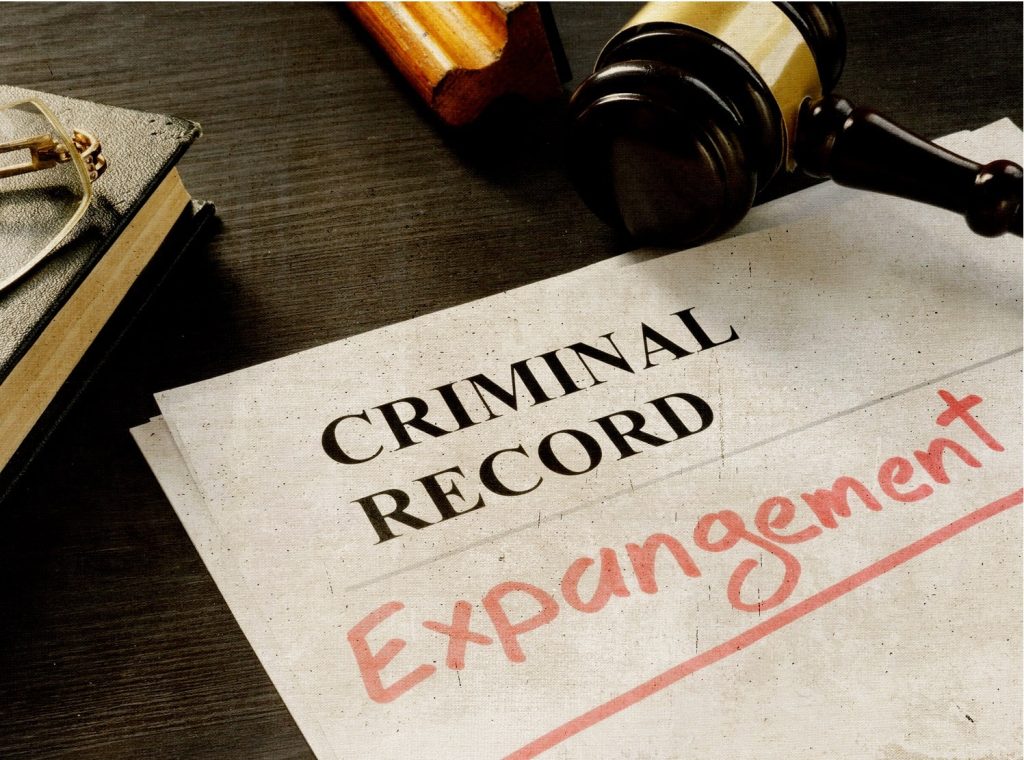
19. Can a Offense History Be Erased?
In certain situations, you can have your legal history erased, meaning it is closed or erased, and won’t show up in background checks. Eligibility for erasure is based on factors like the nature of the offense and your criminal history.
20. What Is Justifiable Defense, and Could It Be Used to Justify Actions?
Justifiable force can be used as a legal defense when you can prove that you employed necessary force to defend yourself from threat of injury. The legal definition differs depending on the state, so your attorney will review if this defense is relevant for your offense.
21. Is It Possible I Be Arrested Without Evidence?
You could be detained if the law enforcement have probable cause to believe you committed a violation, even if they don't have clear evidence. However, without adequate facts, the charges may be dismissed later in the proceedings.
22. What Is a Grand Jury, and What Is Its Purpose?
A Grand Jury is a group of peers who rule on whether there is enough proof to indict someone with a severe violation. It is not a legal hearing, and the accused typically doesn’t participate. The Investigating Panel determines if an formal charge should be brought.
23. How Long Does a Criminal Case Need to Resolve?
The duration of a criminal case varies with the complexity of the offenses, court schedules, whether you take the case to court, and how negotiations move forward. Some trials are concluded in a matter of weeks or months, while others can drag on for years.
24. Can I Represent Myself in a Legal Matter?
Yes, you have the ability to represent yourself, called “self-representation,” but it’s generally unwise. Court processes is complicated, and having a lawyer significantly improves your chances of a better result.
25. What Happens If I Miss a Court Date?
Missing a legal appointment can result in a bench warrant for your custody. It’s important to be present at all scheduled hearings or let the legal system in advance if you cannot appear. Your attorney can help reschedule court dates if needed.