Criminal Defense Attorneys

In Need of Skilled Expunction Attorneys in College Station Texas?

Trust the Skilled Expunction Attorneys at Gustitis Law for the Legal Support You Need!

Reach Out to Us at 979-701-2915 for Prompt Assistance!

Confronting criminal accusations in College Station Texas is an urgent issue that needs immediate attention from experienced Expunction Attorneys. A criminal offense can result in long-term consequences, like a lifelong felony history that could damage your liberty, reputation, and career options.

Whether you are confronted with a minor traffic violation or serious accusations like violent crimes or substance-related crimes, your first priority should be consulting skilled Expunction Attorneys that understands the court framework in College Station Texas. At Gustitis Law, our team is devoted to delivering customized and assertive legal plans crafted to your situation.

Why Is It Important to Work with Qualified Expunction Attorneys in College Station Texas?

A legal accusation is not only a momentary problem – it’s a thing that can affect your life in the long term. Guilty verdicts can lead to consequences that include:

  • Prison sentences.
  • Significant penalties.
  • A lifetime legal file.
  • Forfeiture of certain civil rights, such as the right to cast a ballot or have a weapon.

The best way to reduce these impacts is to consult with reliable Expunction Attorneys that can develop an effective argument. At Gustitis Law, our criminal defense attorneys have extensive experience with representing clients accused of all types of indictments in College Station Texas and are equipped to fight for your rights.

Comprehensive Criminal Defense Services in College Station Texas

Our team manages a wide range of criminal matters, making sure that irregardless of the complexity of your charges, you have the most effective possible representation. The experienced Expunction Attorneys with Gustitis Law are knowledgeable in defending customers against offenses such as:

  • Driving under the influence
  • Drug-related crimes
  • Theft and break-ins
  • Assault and violent violations
  • Serious crimes and misdemeanor charges
  • White-collar crimes
  • Minor-related charges
  • Domestic violence

No matter how complicated or straightforward your case may appear, Gustitis Law will deliver committed defense support, carrying out comprehensive investigations, examining evidence, and creating a strong case to fight the prosecution’s case at every turn.

Why Choose the Expunction Attorneys at Gustitis Law in College Station Texas?

The decision of a criminal defense attorney in College Station Texas is a important step that could greatly impact the resolution of your situation. Having a lot of choices available, why turn to Gustitis Law for assistance with your defense? Here is why our defendants prefer us:

  • Significant Experience - Our legal team has a proven track record of protecting customers charged with a wide variety of offenses, including narcotic violations, assault, property crimes, and more. We are experienced with both state and federal criminal law.  
  • Personalized Defense Strategies - We know that every situation is distinctive. The legal professionals at Gustitis Law make it a point to understand your individual situation and create a defense strategy crafted to secure the most favorable resolution.
  • Strong Advocacy - When your freedom and life are in jeopardy, you need a criminal defense attorney who will fight tirelessly. Our attorneys are ready to scrutinize all elements of your legal matter and build a strong defense in court.
  • Proven Negotiation Skills – In many cases, negotiating with the prosecution can bring about lower consequences or penalties. Our legal experts are expert deal-makers who strive to achieve highly advantageous resolutions for our customers.
  • Dedication to Individual Protections - We are committed to defending the liberties of people facing criminal charges and are certain that each individual deserves a fair trial and dynamic legal support.

Rely On Gustitis Law for the Top Defense in College Station Texas!

Facing felony charges can be intimidating; however, you are not obligated to handle it on your own. Before you make any moves about hiring a lawyer, speak to the skilled Expunction Attorneys at Gustitis Law. We are devoted to defending your legal protections, your liberty, and your long-term security.

If you or someone you care about has been accused of a crime in College Station Texas, do not hesitate - contact Gustitis Law right away!

Our attorneys are available to provide the skilled and capable legal representation you deserve.

Grappling With Felony Charges in College Station Texas?

You Must Have Skilled Expunction Attorneys!

Telephone Gustitis Law at 979-701-2915 Now!


FAQs for Criminal Defense Attorneys

1. What Will a Criminal Defense Attorney Take Care Of?

A criminal defense attorney defends people suspected of engaging in offenses. They look into the accusations, compile proof, advise clients on their entitlements, discuss plea bargains, and represent them in trial to seek the best outcome—whether through elimination of charges, not-guilty verdict, or reduced sentencing.

2. At What Point Must I Retain a Criminal Defense Attorney?

It’s crucial to get a criminal defense attorney as soon as you are taken into custody, indicted, or even believed to be involved in a offense. Early representation ensures defending your rights, avoiding self-incrimination, and establishing a defensible legal strategy from the start.

3. What Are My Entitlements Following an Arrest?

When arrested, you have the legal protection to refuse to speak and the right to an lawyer. You are also granted the privilege to be advised of the charges against you and to have a just hearing. It’s crucial to use your legal right to refuse to speak until you meet with your lawyer.

4. How Can a Criminal Defense Attorney Assist With My Legal Matter?

A criminal defense attorney can support by thoroughly examining your case, spotting gaps in the prosecution’s evidence, filing motions to exclude unlawful evidence, negotiating with prosecutors for settlements, and representing you in trial to safeguard your rights.

5. What Is the Distinction Between a Minor Offense and a Serious Crime?

Less severe crimes are lower-level offenses, typically leading to under 12 months in jail or monetary penalties. Major offenses are more severe violations, often leading to aggression or significant deception, and are leading to more than a year in jail, heavy fines, and extended effects like loss of civil rights.

6. What Should I Expect During My Introductory Session With a Criminal Defense Lawyer?

During your first meeting, your attorney will ask for details about your accusations, custody, and any proof. They will describe your legal options, go over possible defenses, and provide you with an understanding of what to anticipate throughout the proceedings. It’s crucial to be honest and give as much evidence as feasible.

7. Could a Criminal Defense Attorney Have My Charges Removed?

An attorney may be capable to get your accusations dropped if there is not enough evidence, breaches of your constitutional rights, or procedural errors during the inquiry or arrest. Each case is individual, and outcomes depend on the specific details.

8. What Are Negotiated Settlements, and Should I Take One?

A plea deal is an agreement where you admit fault to a lower accusation in exchange for a lighter penalty or other advantages. Whether you must take a plea bargain is based on the weight of the district attorney’s case and the potential consequences of going to trial.Your attorney will guide you during the decision-making.

9. What Happens If I Go to Trial?

If your case goes to trial, both sides will show testimony and individuals. Your counsel will interrogate the district attorney’s witnesses and present your defense to the jury. The hearing concludes with a judgment of guilty or cleared, or in some cases, a hung jury.

10. Is It Possible I Challenge a Judgment?

Yes, you can challenge a judgment if you feel there was a legal error that affected the result of the trial. Your attorney can submit an request to a higher court, claiming that errors were made during the first court case that justify a review of the decision.

11. Will My Trial Proceed to Trial?

Not all legal matters reach the trial phase. Many are settled through plea negotiations or are eliminated before reaching trial. Your attorney will assess your situation to decide whether it’s in your best interest to take a plea agreement or take your case to court.

12. What Are the Potential Results of a Criminal Case?

End results include elimination of charges, settlements, a not-guilty verdict, conviction with sentencing, or diversion programs for certain minor offenses. The outcome depends on the validity of the proof, legal arguments, and discussions between your lawyer and the district attorney.

13. What Are the Fees to Get a Criminal Defense Attorney?

Costs vary according to the difficulty of the case, the lawyer’s experience, and whether the case reaches trial. Many law firms provide a set rate for certain situations, while others bill hourly. Ensure to talk about costs during your initial meeting to get clarity on the fees involved.

14. Could I Switch My Legal Counsel During the Legal Proceedings?

Yes, you have the right to replace your lawyer if you’re displeased with their service. However, switching attorneys mid-case can sometimes slow down proceedings, so it’s recommended to act with care and early if doable.

15. What Is Surety and How Can It Be Lowered?

Bail is a financial guarantee or property that secures your appearance to trial for your legal proceedings. Your attorney can petition for a bail adjustment to argue for a lower amount or to release you on your promise to appear, meaning you wouldn’t have to pay a surety if you agree to show up for trial.

16. What Should I Do If the Law Enforcement Seek to Interview Me?

If law enforcement wish to interview you, you should invoke your right to remain silent and insist on an attorney. Answering the law enforcement without legal counsel can harm your defense, as anything you say can be used as evidence in court.

17. What Is the Filing Deadline for Offenses?

The deadline for filing charges changes according to the offense and the region. For lesser violations, the window for filing charges is often narrower, while major offenses like killing may have no statute of limitations. Your attorney will describe the particular statute of limitations for your case.

18. What Is the Distinction Between Probation and Supervised Release?

Conditional release is an option to prison, allowing you to carry out your punishment under control within the outside, often with legal requirements. Early release is the freeing of a convicted individual before completing their incarceration, dependent on supervision. Failing to follow the terms of release or conditional release can lead to reincarceration.

19. Could a Criminal Record Be Sealed?

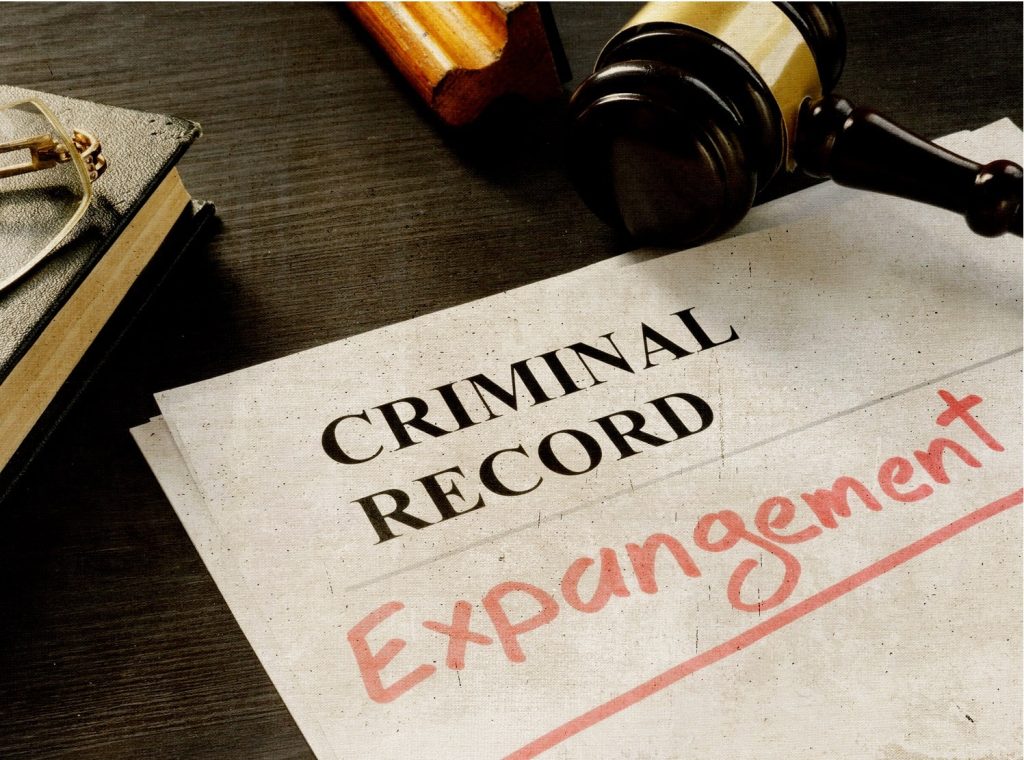
In some cases, you can have your Criminal Record erased, meaning it is closed or erased, and will not appear in criminal checks. Qualifications for expungement depends on elements like the severity of the violation and your prior offenses.

20. What Is Justifiable Defense, and Could It Be Used as a Defense?

Self-defense can be invoked as a court defense when you can prove that you applied reasonable force to shield yourself from imminent harm. The law is not the same in all states, so your attorney will assess if this defense is relevant for your case.

21. Can I Be Arrested Without Solid Evidence?

You could be detained if the law enforcement have probable cause to think you did a violation, even if they do not possess solid evidence. However, without sufficient evidence, the allegations may be dismissed later in the court case.

22. What Is a Investigating Panel, and What Is Its Role?

A Grand Jury is a set of citizens who determine whether there is sufficient information to indict someone with a severe violation. It’s not a trial, and the defendant typically doesn’t attend. The Investigating Panel determines if an indictment should be brought.

23. How Much Time Will a Legal Case Need to Be Completed?

The duration of a criminal case is based on the complexity of the offenses, judicial timing, whether you proceed to trial, and how negotiations proceed. Some legal matters are resolved in a matter of weeks or a few months, while others can drag on for years.

24. Can I Handle My Own Defense in a Legal Matter?

Yes, you have the right to handle your own case, known as “pro se,” but it’s generally unwise. The legal system is complex, and having an attorney significantly improves your likelihood of a successful case.

25. What Happens If I Miss a Legal Appointment?

Skipping a hearing can cause a judge’s order for arrest for your custody. It’s essential to attend all scheduled hearings or let the court in advance if you cannot appear. Your attorney can aid postpone court dates if required.