Searching for Experienced Texas Court of Criminal Appeals Defense Attorneys in Bryan Texas?
Rely on the Experienced Texas Court of Criminal Appeals Defense Attorneys at Gustitis Law for the Legal Support You Need!
Contact Us at 979-701-2915 for Fast Help!
Facing criminal accusations in Bryan Texas is a serious situation that calls for immediate action from skilled Texas Court of Criminal Appeals Defense Attorneys. A criminal guilty verdict can lead to lasting consequences, including an enduring felony record that could impact your freedom, standing, and future opportunities.
Whether or not you are facing a small legal infraction or major offenses like violent crimes or substance-related crimes, your first step should be consulting experienced Texas Court of Criminal Appeals Defense Attorneys that understands the legal system in Bryan Texas. At Gustitis Law, our law firm is dedicated to delivering customized and strong defense approaches tailored to your situation.
Why Is It Essential to Work with Skilled Texas Court of Criminal Appeals Defense Attorneys in Bryan Texas?
A criminal charge is not only a momentary issue – it is something that can influence your life in the long term. Convictions can lead to penalties that include:
- Prison sentences.
- Significant fines.
- A lasting criminal history.
- Loss of certain civil rights, like the right to vote or possess a gun.
The most effective approach to minimize these penalties is to consult with trusted Texas Court of Criminal Appeals Defense Attorneys that can develop a solid defense. At Gustitis Law, our criminal defense attorneys have significant knowledge with defending clients accused of all types of indictments in Bryan Texas and are ready to defend your rights.
Full Criminal Defense Services in Bryan Texas
Our team manages an extensive array of criminal charges, ensuring that no matter the complexity of your charges, you have the best feasible representation. The proficient Texas Court of Criminal Appeals Defense Attorneys from Gustitis Law are experienced in protecting customers against charges including:
- DWI/DUI offenses
- Drug-related crimes
- Stealing and robbery
- Assault and forceful crimes
- Felony and minor charges
- Financial fraud
- Youth offenses
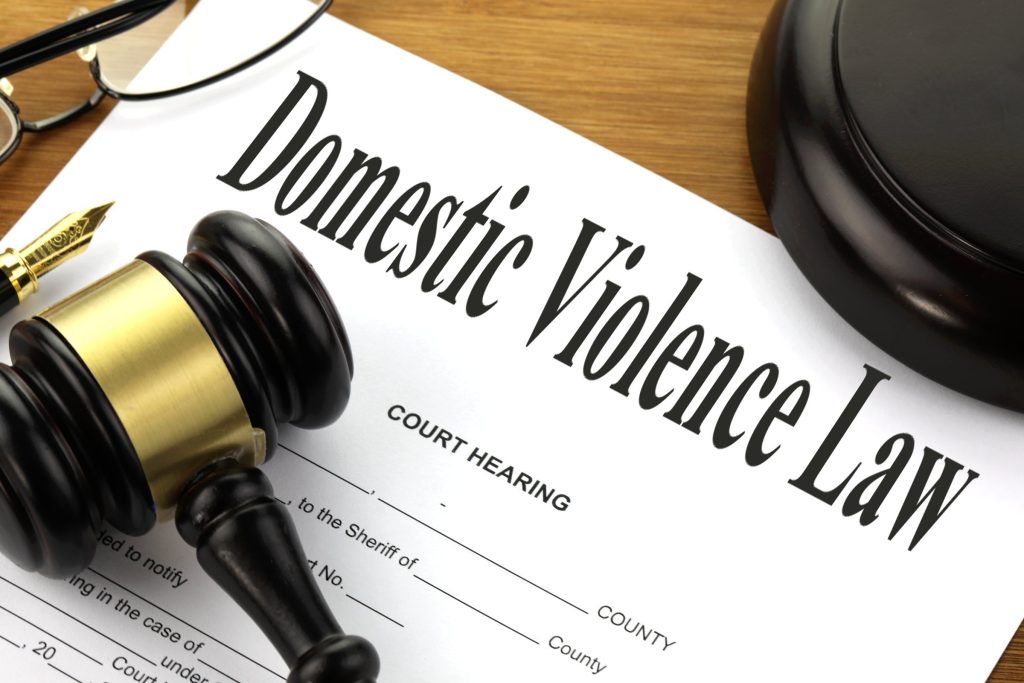
- Domestic violence
No matter how difficult or straightforward your case may seem, Gustitis Law will provide committed legal services, carrying out comprehensive reviews, analyzing facts, and developing an effective strategy to challenge the prosecution’s charges at every stage.
Why Choose the Texas Court of Criminal Appeals Defense Attorneys at Gustitis Law in Bryan Texas?
The decision of a criminal defense attorney in Bryan Texas is a important decision that can greatly affect the resolution of your situation. With a lot of choices to choose from, why rely upon Gustitis Law for help with your legal needs? Here’s why our customers choose us:
- Extensive Experience - Our legal team has a long-standing track record of defending defendants against a broad range of charges, including drug crimes, violent crimes, property crimes, and more. We are experienced with both criminal charges at all levels.
- Customized Legal Approaches - We realize that each legal matter is different. The attorneys at Gustitis Law take the effort to understand your individual situation and customize a legal approach designed to get the optimal outcome.
- Strong Advocacy - When your freedom and future are on the line, you need a criminal defense attorney who will defend you aggressively. Our lawyers are prepared to investigate every detail of your situation and present a compelling case in court.
- Proven Negotiation Skills – Many times, working out deals can bring about reduced charges or fines. Our lawyers are skilled negotiators who strive to secure highly beneficial results for our customers.
- Dedication to Client Liberties - We are committed to fighting for the liberties of individuals dealing with criminal crimes and believe that everyone should receive a proper defense and assertive legal support.
Depend Upon Gustitis Law for the Top Legal Defense in Bryan Texas!
Facing legal accusations can be overwhelming; however, you are not obligated to face it by yourself. Before you come to any decisions about your defense, talk to the knowledgeable Texas Court of Criminal Appeals Defense Attorneys at Gustitis Law. We are dedicated to defending your legal protections, your liberty, and your long-term security.
If you or a family member has been accused of a crime in Bryan Texas, don’t wait - get in touch with Gustitis Law right away!
Our legal representatives are available to provide the experienced and effective legal representation you require.
Facing Felony Charges in Bryan Texas?
You Require Knowledgeable Texas Court of Criminal Appeals Defense Attorneys!
Telephone Gustitis Law at 979-701-2915 Right Away!
FAQs for Criminal Defense Attorneys
1. What Does a Criminal Defense Attorney Do?
A criminal defense attorney represents individuals suspected of committing offenses. They investigate the accusations, compile information, counsel clients on their entitlements, negotiate settlements, and represent them in trial to pursue the favorable result—whether through dropping of charges, clearance, or lesser punishment.
2. When Must I Retain a Criminal Defense Attorney?
It’s critical to get a criminal defense attorney as soon as you are arrested, accused, or even suspected of a violation. Early counsel helps safeguarding your legal protections, stopping self-incrimination, and start building a strong defense from the beginning.
3. What Are My Entitlements After Being Arrested?
Upon arrest, you have the legal protection to not incriminate yourself and the right to an attorney. You are also granted the privilege to be advised of the charges against you and to have a legal process. It’s essential to exercise your protection to not make any statements until you consult your lawyer.
4. How Can a Criminal Defense Attorney Support With My Case?
A criminal defense attorney can assist by comprehensively investigating your legal matter, identifying gaps in the state’s case, presenting motions to exclude illegally obtained evidence, negotiating with the state for plea deals, and representing you in trial to safeguard your legal protections.
5. What Is the Variation Between a Less Severe Crime and a Major Offense?
Minor offenses are less serious violations, typically punishable by fewer than 12 months in jail or fees. Major offenses are harsher violations, often involving aggression or large-scale fraud, and are resulting in more than a year in incarceration, substantial fines, and long-term repercussions like loss of civil rights.
6. What Must I Anticipate During My Initial Consultation With a Criminal Defense Lawyer?
During your first meeting, your attorney will gather specifics about your legal case, arrest, and any proof. They will describe your available defenses, review potential defenses, and give you an understanding of what to anticipate throughout the case. It’s crucial to be honest and share as much evidence as realistic.
7. Could a Criminal Defense Attorney Get You My Accusations Removed?
An attorney may be able to get your allegations eliminated if there is lack of proof, breaches of your legal protections, or procedural errors during the investigation or detention. Each legal matter is individual, and outcomes depend on the specific facts.
8. What Are Plea Bargains, and Should I Agree To One?
A negotiated settlement is an arrangement where you plead guilty to a reduced offense in exchange for a lesser punishment or other advantages. Whether you can agree to a settlement is based on the strength of the district attorney’s case and the likely penalties of taking the case to trial.Your attorney will advise you through the decision process.
9. What Happens If I Go to Trial?
If your matter reaches trial, both sides will show proof and individuals. Your counsel will cross-examine the prosecution’s testifiers and present your argument to the jury. The hearing concludes with a decision of guilty or not guilty, or in some cases, a inconclusive result.
10. Can I Contest a Judgment?
Yes, you can appeal a guilty verdict if you feel there was a legal error that affected the final decision. Your attorney can submit an challenge to a appellate court, contending that mistakes were made during the first court case that justify a reexamination of the conviction.
11. Might My Trial Proceed to Trial?
Not all legal matters proceed to court. Many are concluded through plea bargains or are dropped before getting to court. Your attorney will assess your legal matter to decide whether it’s in your favor to accept a plea agreement or proceed to trial.
12. What Are the Possible Outcomes of a Criminal Case?
Potential results involve dismissal of charges, settlements, a not-guilty verdict, conviction with sentencing, or rehabilitation programs for some minor offenses. The outcome relies on the validity of the evidence, legal arguments, and negotiations between your attorney and the state.
13. How Much Does It Cost to Hire a Criminal Defense Attorney?
Prices vary depending on the intricacy of the case, the defense counsel’s expertise, and whether the legal matter reaches trial. Many law firms provide a flat fee for certain cases, while others invoice by the hour. Ensure to talk about pricing during your initial meeting to get clarity on the fees expected.
14. Can I Replace My Attorney During the Legal Proceedings?
Yes, you have the ability to switch your lawyer if you’re unhappy with their service. However, switching lawyers mid-trial can sometimes slow down proceedings, so it’s advisable to decide carefully and before things progress if doable.
15. What Is Bond and How Can It Be Reduced?
Bond is a financial guarantee or property that guarantees your return to the hearing for your legal proceedings. Your attorney can request a bail hearing to argue for a smaller bail or to free you on your promise to appear, meaning you wouldn’t have to pay a surety if you promise to appear at the hearing.
16. What Should I Do If the Law Enforcement Want to Question Me?
If authorities want to question you, you should invoke your entitlement to not speak and ask for an attorney. Talking to the police without legal counsel can hurt your defense, as anything you say can be held against you.
17. What Is the Filing Deadline for Offenses?
The statute of limitations changes depending on the offense and the region. For minor offenses, the window for filing charges is often narrower, while major offenses like killing may have no statute of limitations. Your attorney will describe the specific statute of limitations for your situation.
18. What Is the Variation Between Community Supervision and Parole?
Probation is an alternative to prison, allowing you to carry out your punishment under monitoring within the community, often with certain conditions. Early release is the letting go of a prisoner before completing their sentence, subject to supervision. Violating the conditions of probation or parole can cause reincarceration.
19. Could a Criminal Record Be Expunged?
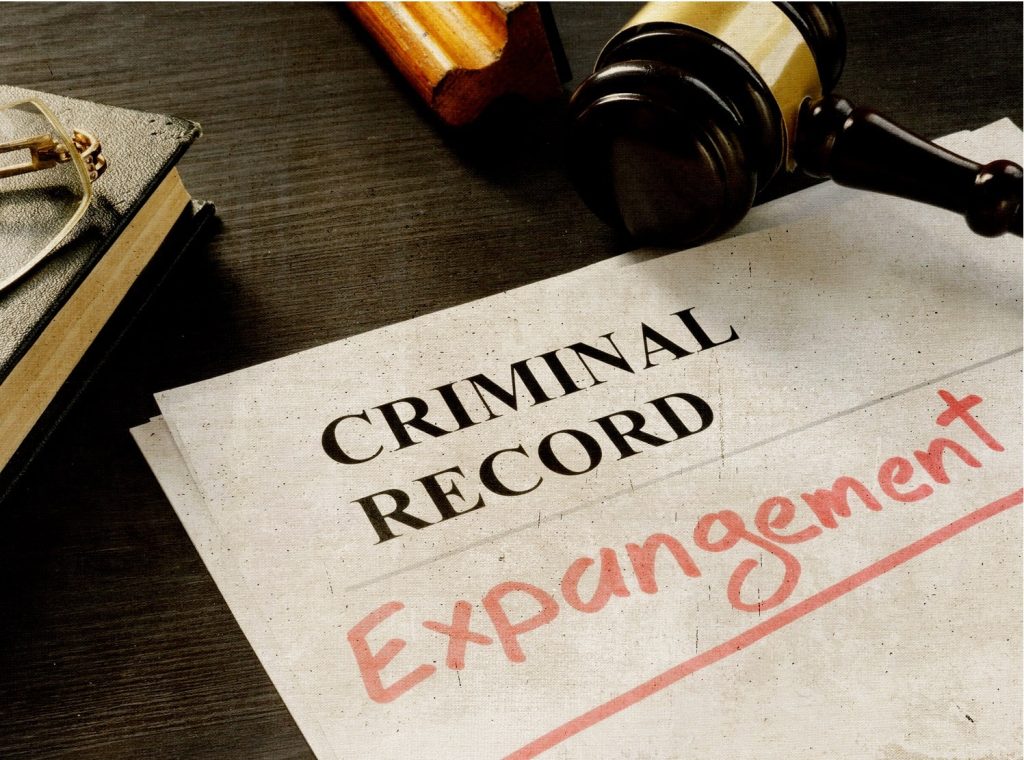
In specific instances, you can have your Criminal Record sealed, meaning it is sealed or removed, and won’t show up in employment screenings. Qualifications for expungement depends on elements like the nature of the offense and your prior offenses.
20. What Is Self-Defense, and Can It Be Used as a Defense?
Self-defense can be used as a legal defense when you can prove that you employed reasonable force to defend yourself from threat of injury. The law differs depending on the state, so your attorney will evaluate if this defense is relevant for your offense.
21. Is It Possible I Be Detained Without Solid Evidence?
You could be detained if the law enforcement have reasonable grounds to think you did a offense, even if they lack clear evidence. However, without sufficient evidence, the allegations may be removed later in the proceedings.
22. What Is a Investigating Panel, and What Is Its Role?
A Special Jury is a group of peers who decide whether there is sufficient information to charge someone with a major offense. It is not a trial, and the accused typically doesn’t appear. The Investigating Panel decides if an legal accusation should be issued.
23. What Length of Time Will a Criminal Trial Take to Be Completed?
The duration of a trial depends on the difficulty of the accusations, judicial timing, whether you proceed to trial, and how negotiations progress. Some trials are settled in weeks or months, while others can extend for years.
24. Can I Act as My Own Lawyer in a Legal Matter?
Yes, you have the right to handle your own case, referred to as “self-representation,” but it’s generally not advisable. Criminal law is difficult, and having an attorney greatly increases your chances of a favorable outcome.
25. What Takes Place If I Miss a Hearing?
Not showing up for a hearing can cause a judge’s order for arrest for your detainment. It’s essential to show up for all scheduled hearings or let the court in advance if you cannot appear. Your attorney can assist reschedule court dates if necessary.