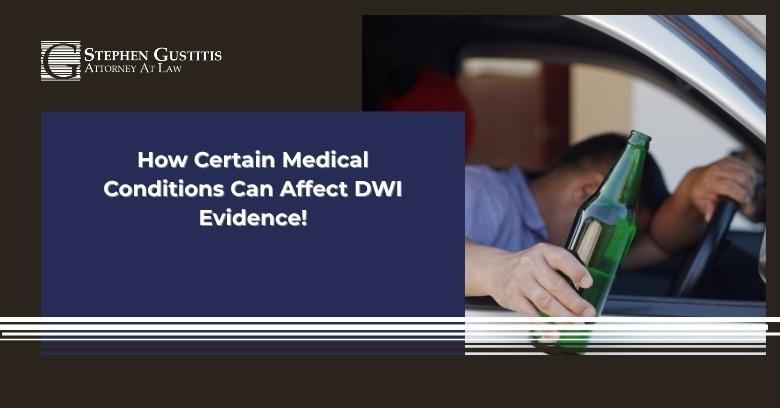
When you or someone you know is facing a Driving While Intoxicated or DWI charge in Bryan Texas or neighboring College Station, the road ahead can seem daunting. Law enforcement and prosecutors often rely heavily on DWI evidence, which includes field sobriety tests, breathalyzers, and blood tests, to build their cases. But what many do not realize is that certain medical conditions can profoundly impact this evidence, sometimes leading to wrongful charges or exaggerated results.
This article explores how medical issues can skew DWI evidence, the critical role that skilled criminal defense lawyers and attorneys play in these situations, and what steps you should take if you believe your health condition influenced your case. Whether you are searching for experienced criminal defense law firms in Bryan or need an advocate in College Station Texas, understanding the intersection of medicine and law could be the difference between conviction and acquittal.
Let's examine the medical realities that impact DWI cases and why having the right legal representation is vital to protecting your future.
Overview: The Overlapping Worlds of Medicine and Law in DWI Cases
Drunk driving charges carry serious consequences including fines, license suspension, jail time, and a permanent mark on your record. But what happens when the evidence that is supposed to prove your guilt is muddied by a medical condition outside of your control? From diabetes and acid reflux to anxiety disorders and physical disabilities, everyday health problems can leave innocent individuals fighting to clear their names.
Criminal defense lawyers in Bryan Texas encounter clients every year who struggle to explain why standard DWI evidence does not tell the full story. For example, field sobriety tests are designed under the assumption that everyone performs similarly and yet, in reality, conditions like vertigo, neuropathy, or even simple fatigue can make these tests nearly impossible to pass. Breath tests, long considered a gold standard, can also be thrown off by certain diseases or medications.
Why does this matter so much? Because a single misinterpreted symptom can become the linchpin of the prosecution's case, tipping the scales against you unfairly. That is why criminal defense attorneys and law firms must understand both medical science and legal procedures. They work with medical experts to scrutinize every piece of evidence, uncovering explanations that may not be immediately apparent to police or prosecutors.
In regions like Bryan and College Station Texas where DWI enforcement is strict and the repercussions are severe, having an advocate who understands the complex interplay between health and law is essential. The right defense could mean the difference between walking free and bearing the weight of an unjust conviction.
How Medical Conditions Interfere with DWI Evidence
1. Field Sobriety Tests: More than Meets the Eye
Standardized field sobriety tests such as the walk-and-turn, one-leg stand, and horizontal gaze nystagmus or HGN are designed to detect signs of intoxication by assessing specific physical and cognitive abilities. Yet several medical conditions can mimic intoxication or impair a person's ability to complete these tests:
- Vertigo and Inner Ear Problems: These affect balance and coordination, often making it impossible to walk in a straight line or stand on one leg.
- Neuropathy and Musculoskeletal Disorders: Conditions like diabetic neuropathy, arthritis, or past injuries can inhibit movement and stability, leading to failed tests unrelated to alcohol use.
- Neurological Disorders: Multiple sclerosis, Parkinson's disease, or even mild traumatic brain injuries can impact motor skills and reflexes.
Criminal defense law firms in Bryan Texas regularly investigate clients' medical histories to explain why they might have failed sobriety tests. Bringing this information to light is critical for challenging DWI accusations in court.
2. Breath Tests: Not Foolproof
Breathalyzer devices measure blood alcohol concentration or BAC by estimating alcohol levels in your breath. But did you know that certain medical conditions and substances in your system can cause unreliable results?
- Diabetes: Diabetics can experience ketoacidosis when blood sugar is low, causing their bodies to produce acetone, a compound chemically similar to ethyl alcohol. Breathalyzers cannot always tell the difference, leading to false positives.
- Acid Reflux and GERD: Individuals with gastroesophageal reflux disease may regurgitate stomach alcohol into their mouth, producing artificially high readings on a breathalyzer.
- Asthma Inhalers and Medications: Some inhalers contain alcohol or similar compounds that can linger in the breath, skewing results.
- Mouth Alcohol: Dental work, recent mouthwash use, or even burping can elevate breath test results, especially when tests are administered too soon after these events.
Criminal defense attorneys in College Station Texas are trained to recognize the limitations of breathalyzers and to challenge their results, particularly when a client's medical history suggests potential for erroneous readings.
3. Blood Tests: Human Error and Biological Variables
At first glance, blood tests seem like the gold standard for DWI evidence; however, they are not immune to medical interference and procedural errors:
- Improper Storage/Handling: Blood must be drawn, stored, and analyzed under strict conditions. Failure to refrigerate samples or delays in analysis can lead to fermentation and elevated BAC readings.
- Medical Conditions: Certain metabolic or liver disorders can alter how your body processes alcohol, affecting blood alcohol levels over time.
- Lab Errors: Mislabeling, contamination, and misinterpretation by lab technicians can all add uncertainty to blood test results.
Criminal defense lawyers in Bryan often work with independent labs to review or retest samples so that mistakes are identified and innocent clients are not convicted on the basis of flawed evidence.
4. Psychological and Neurological Disorders: Misconstrued Symptoms
Many DWI suspects suffer from anxiety, depression, or neurological disorders that can produce symptoms mimicking intoxication. For example:
- Anxiety Attacks: Rapid speech, unsteadiness, sweating, and shaking can lead officers to suspect intoxication, especially during stressful traffic stops.
- Autism Spectrum Disorders or ADHD: Some individuals may not follow instructions correctly or behave atypically when confronted by law enforcement, drawing suspicion even in the absence of alcohol.
Savvy criminal defense law firms in Bryan and College Station are skilled in identifying and explaining these factors, making sure that their clients' conditions are properly considered during prosecution.
The Role of Experienced Criminal Defense Lawyers and Law Firms in DWI Cases
Expert criminal defense attorneys play a vital role when medical conditions may have affected DWI evidence. Here is how they make a difference:
- Detailed Medical History Review: They meticulously examine a client's medical background, seeking conditions that might explain unusual DWI test results.
- Working with Medical Experts: By consulting with physicians, toxicologists, and other specialists, criminal defense lawyers build a compelling argument demonstrating that test failures were health-related, not alcohol-induced.
- Challenging Law Enforcement Procedures: Experienced criminal defense law firms know how to scrutinize every aspect of the testing process, from breathalyzer calibration to blood sample handling.
- Educating Juries and Judges: They excel in translating complex medical concepts into understandable terms for juries, helping them separate fact from fiction in the courtroom.
- Negotiating or Dismissing Charges: Where evidence is found to be unreliable or compromised by a client's health condition, skilled attorneys can push for reduced charges, alternative sentencing, or outright dismissal.
In Bryan and College Station Texas, respected law firms offer personalized defense strategies, understanding that every case and every client is unique.
Real-Life Examples: When Health Makes All the Difference
- Case Study 1: A driver with uncontrolled diabetes was arrested for DWI after a breath test read 0.10%. Investigation by their attorney revealed untreated hypoglycemia, which produced acetone and mimicked alcohol on the test. The case was ultimately dismissed.
- Case Study 2: A young woman failed several field sobriety tests after a minor accident. She was later diagnosed with vertigo, a fact her criminal defense attorney used to argue that her equilibrium and coordination were impaired due to illness, not intoxication, leading to the charges being dropped.
- Case Study 3: A middle-aged man on anxiety medication appeared nervous and unsteady during his traffic stop, leading to his arrest. His law firm successfully demonstrated that his symptoms were medication-induced, not alcohol-related.
What To Do If You Have a Relevant Medical Condition
If you believe a medical condition affected your DWI evidence, it is essential to:
- Inform Your Lawyer Immediately: Disclose your health issues and medications to your criminal defense attorney early in the process.
- Retrieve Medical Records: Secure documentation of diagnoses, treatment history, and prescription lists.
- List Your Symptoms: Note how your condition might mimic or affect DWI testing procedures.
- Identify Witnesses: Seek corroborating testimony from your physician or others who are aware of your health issues.
- Act Quickly: The sooner you share this information with your lawyer, the better your defense strategy can be.
Conclusion: Fighting for Fair Outcomes in DWI Cases
Medical conditions play an undervalued role in DWI cases throughout Bryan Texas, and neighboring College Station. Every year, individuals are wrongly accused and even convicted due to evidence skewed by health problems or misunderstood symptoms. DWI law is complex enough, but when medicine and law intersect, having the right advocate is absolutely critical.
Criminal defense lawyers and law firms in Bryan and College Station Texas bring essential experience to the table, challenging flawed evidence with facts, compassion, and expertise. If you believe your medical history influenced your DWI test results, do not wait. Seek representation from a qualified criminal defense attorney. With the right support, your story can be told truthfully, and justice can be served.
Your future is worth fighting for and knowledgeable legal counsel is your strongest shield. Reach out to a trusted criminal defense law firm today to see that your rights and your health are fully protected in the legal process!
Key Takeaways
- Medical Conditions Can Impact DWI Evidence: Health issues like diabetes, GERD, and neurological disorders often skew DWI test results, sometimes creating false positives or misinterpreted symptoms.
- Field Sobriety Tests Are Not Universally Applicable: Physical and psychological conditions can make passing these tests difficult even for sober individuals, leading to unjust accusations.
- Breathalyzer Readings May Be Inaccurate: Devices can be fooled by medical conditions, mouth alcohol, or certain medications, all of which criminal defense attorneys can challenge in court.
- Blood Tests Are Not Infallible: Mistakes in sample handling, storage, or analysis as well as certain metabolic disorders can impact blood alcohol content readings.
- Expert Legal Knowledge is Essential: Criminal defense lawyers experienced in Bryan and College Station work with medical experts to ensure fair treatment for clients with health issues.
- Prompt Communication with Your Attorney is Key: Disclose all medical conditions and medications early to build the strongest possible case.
- Documentation Makes a Difference: Medical records, test results, and witness statements from healthcare providers can be pivotal in challenging DWI evidence.
- Every Case is Unique: The intersection of health and the law requires personalized strategies, not one-size-fits-all defenses.
- Dismissal or Reduction of Charges is Possible: When medical factors compromise evidence, skilled law firms can often negotiate for lighter sentencing or dropped charges.
- Protect Your Rights and Future: If you or someone you know faces a DWI influenced by health issues, act swiftly and seek experienced legal representation to secure a fair outcome.
FAQs
1. How can a medical condition affect my DWI case in Bryan or College Station Texas?
Medical conditions can alter the results of field sobriety tests, breathalyzers, and blood tests. Skilled criminal defense lawyers serving Bryan and College Station recognize these factors and use them to challenge questionable evidence.
2. Can diabetes cause a false positive on a breathalyzer test?
Yes. Diabetics may produce acetone during hypoglycemic episodes, which some breathalyzers misread as alcohol, resulting in inaccurate readings. Criminal defense attorneys can introduce this evidence in your defense.
3. I have GERD - could that affect my DWI breath test?
Absolutely. GERD can cause stomach alcohol to reach the mouth and lead to falsely high breathalyzer readings. Criminal defense law firms are trained to identify and present this as a defense.
4. Are anxiety or panic attacks mistaken for intoxication during DWI stops?
Yes, symptoms of anxiety such as sweating, shaking, and rapid speech are sometimes mistaken for signs of alcohol impairment. A knowledgeable criminal defense attorney can clarify these symptoms in court.
5. What should I do if I think my health condition influenced my DWI test results?
Inform your criminal defense lawyer as soon as possible and provide all relevant medical documentation to help build a strong case.
6. Are blood tests always accurate in DWI cases?
No test is perfect. Improper storage, handling errors, and certain medical conditions can all cause inaccuracies in blood test results, a point that criminal defense law firms often investigate.
7. What steps do criminal defense lawyers take when health is a concern in a DWI case?
They gather medical records, consult with experts, and thoroughly scrutinize the procedures used during DWI testing to find and challenge unreliable evidence.
8. Can medications affect DWI test outcomes?
Yes. Some prescription and over-the-counter drugs can interfere with both field sobriety and chemical tests. Criminal defense attorneys use this information to advocate for clients' rights.
9. Where can I find experienced criminal defense law firms in Bryan or College Station?
Look for local law firms specializing in criminal defense, especially those with a track record of handling medically complex DWI cases in Bryan and College Station.
10. Can medical conditions lead to DWI charges being dismissed?
In many cases, yes. When a valid medical explanation exists for unreliable DWI evidence, criminal defense law firms may negotiate for reduced charges or full dismissal, safeguarding your reputation and future.