Need to Find Drug Offenses Defense Law Firms in Bryan Texas?
Rely Upon The Expertise of Gustitis Law
Telephone 979-701-2915 For A No-Cost Consultation!
Dealing with legal accusations for drug violations or DWI can be an overwhelming and life-changing situation in Bryan Texas. These offenses can involve severe penalties, including prison time, significant fines, suspension of driving rights, and a long-term legal record.
Beyond the direct effects, such convictions can influence your long-term work options, residential opportunities, and even personal relationships.
When your rights and long-term prospects are at stake, it is vital to obtain knowledgeable Drug Offenses Defense Law Firms that can manage the intricacies of the justice system and build a strong defense on your behalf.
At Gustitis Law, we are experts in defending clients charged with narcotics violations and drunk driving charges. Our staff of skilled attorneys is dedicated to providing tenacious defense and tailored legal plans to protect your freedom.
Gustitis Law has a proven track record of successfully defending clients in Bryan Texas against charges ranging from basic narcotics ownership to felony charges such as drug smuggling or major offense drunk driving.
Challenging Drug Offenses in Bryan Texas
Substance-related offenses in Bryan Texas can differ significantly in severity, from low-level ownership accusations to large-scale substance supply matters. In any case, the effects can be damaging without a proper legal strategy by Drug Offenses Defense Law Firms. The legal professionals at Gustitis Law take on a broad spectrum of narcotics accusations, including:
- Substance Ownership - Whether it is cannabis, legal medications, powdered drugs, or stronger drugs, our lawyers have the experience to contest the evidence and advocate for your legal matter.
- Drug Supply - These severe accusations often cause significant jail sentences. We recognize the severe consequences involved and are ready to build a robust legal strategy to defend your rights.
- Ownership with Intent to Distribute: The opposing counsel will often attempt to raise basic possession charges if large quantities of narcotics are found. We fight to verify the evidence is analyzed carefully and question any assumptions about selling intentions.
With drug laws constantly evolving, you need a legal expert who stays up-to-date with law updates and comprehends the complexities of state narcotics laws – you need Gustitis Law. We work carefully to obtain charge dismissals, lessened allegations, and alternative sentencing to safeguard your long-term prospects.
Comprehensive Defense Against DWI for Bryan Texas Clients
Drunk driving is a serious criminal offense in Bryan Texas that can have life-altering impacts. Consequences for DWI in Texas include fines, jail time, public service, required rehabilitation programs, and license suspension.
A driving while intoxicated criminal record can also lead to higher insurance policy costs and in some instances, you could face serious criminal charges if there are additional issues like prior convictions or injuries caused by the event.
All of this requires the experience of committed Drug Offenses Defense Law Firms – and Gustitis Law focuses on representing people accused of driving while intoxicated, including:
- Initial DWI Charge - A first-time driving while intoxicated offense may cause consequences such as loss of license, fines, and time in jail. Gustitis Law aims to lessen these consequences and try to avoid prison and keep your right to drive.
- Second or Subsequent DWI - Confronting a subsequent or multiple intoxicated driving offense in Bryan Texas can result in harsher penalties, including longer jail sentences and increased loss of driving rights. Gustitis Law provides tenacious legal advocacy to fight the charges and seek the most favorable result.
- Felony DWI - If you are charged with an intoxicated driving charge in Bryan Texas involving injury or if you have prior DWI convictions, you could be confronting a felony. The Gustitis Law capable DWI specialists will advocate to mitigate the impact of these accusations.
With a comprehensive understanding of the regional court system and DWI regulations in Bryan Texas, Gustitis Law understands how to spot weaknesses in the opposing side's claims, including faulty breath tests, flawed police methods, and questionable field sobriety exams.
Our goal is to help you escape the long-term effects of a intoxicated driving criminal record and keep your criminal history clean.
What Defense Methods Are Utilized by Drug Offenses Defense Law Firms?
When it comes to drug and DWI accusations, the best legal approach can be essential. Skilled Drug Offenses Defense Law Firms in Bryan Texas analyze the specifics of every case to develop a robust legal strategy.
Listed are some typical approaches employed by Gustitis Law:
- Disputing the Legality of the Traffic Stop - If the initial stop was improper, evidence collected later - such as breath test readings- could be excluded.
- Questioning Breathalyzer or Sobriety Examination Accuracy - Alcohol testing tools and sobriety assessments can sometimes give incorrect data. We’ll examine the processes utilized and question them if needed.
- Addressing Unlawful Search and Seizure - If officers violated your Fourth Amendment rights, any illegally obtained proof can be thrown out, substantially weakening the state's position.
Why Select Gustitis Law Defense Attorneys for Narcotics and Drunk Driving Offenses?
When you’re facing serious accusations like substance or intoxicated driving accusations, the Drug Offenses Defense Law Firms you choose can greatly influence the result of your legal matter. Here’s why Gustitis Law is unique in Bryan Texas:
- Expert Legal Representation - With three decades of practice protecting clients against drug and intoxicated driving offenses, Gustitis Law has the expertise and talents to challenge information, bargain with prosecutors, and bring your case to trial if required.
- Custom Defense Plans - No two situations are identical. We make the effort to comprehend the details of your case and customize our defense strategy to maximize your likelihood of winning.
- Proven Results - Gustitis Law has successfully helped clients get charges reduced or thrown out and has secured favorable deals and case outcomes.
- Thorough Support - From the moment you are taken in, Gustitis Law will guide you through every stage of the judicial process, guaranteeing you are fully aware of your rights and alternatives.
Confronting narcotics or drunk driving offenses can be a bewildering and stressful situation, which makes finding the ideal Drug Offenses Defense Law Firms in Bryan Texas so challenging. With your future on the line, it is essential to take quick decisions and find legal representation.
Gustitis Law is dedicated to protecting your freedoms and ensuring a good resolution for your situation.
Get Started With a Complimentary Consultation Immediately
Do not hesitate until it’s gone too far. If you are facing legal matters and searching for Drug Offenses Defense Law Firms in Bryan Texas, contact Gustitis Law immediately. The quicker you have a skilled criminal defense attorney on your side, the more solid your case can be.
Gustitis Law is prepared to examine your case, describe your defense choices, and begin developing a plan to protect your legal rights.
Defend your long-term prospects by collaborating with Gustitis Law's committed group of legal experts who will advocate for the best outcome in your situation!
Confronting DWI or Substance Offenses and Searching for Drug Offenses Defense Law Firms?
Your Optimal Decision in Bryan Texas is Gustitis Law!
Contact 979-701-2915 To Set Up an Consultation!
Drug Offenses Defense FAQs:
1. What Are Frequent Narcotics Offenses?
Common substance crimes include possession, trafficking, distribution, manufacturing, and cultivation of illegal substances. Violations also consist of doctor-prescribed substance scams, DUID, and ownership of substance-use tools.
2. What Is Substance Possession?
Narcotics possession takes place when an individual is found to possess banned drugs on their person or residence. This can include minimal amounts for individual use (minor possession) or greater amounts that may imply a plan to be a supplier.
3. What Is the Variation Between Simple Holding and Possession With Intent to Distribute of Substances?
Basic ownership describes possessing a small volume of substances for personal use, while possession for sale entails bulk volumes and may involve evidence like baggies, scales, or large sums of money, which suggest trading or distribution.
4. What Are the Punishments for Drug Holding?
Consequences for drug possession vary by region and the kind of material. They can involve fines, community service, and court-ordered rehabilitation to jail time. Punishments are usually more severe for second offenses or holding of more harmful drugs like cocaine or methamphetamine.
5. Can I Be Arrested for Ownership of Prescription Drugs?
Yes, you can be detained for holding doctor-prescribed drugs if you do not have a legitimate prescription. Misuse of prescription medications, such as the unlawful transaction or holding of substances like narcotics or benzodiazepines, is prosecuted as similar to illegal drug offenses.
6. What Must I Do If I Am Arrested for a Substance Crime?
If you’re taken into custody for a narcotic violation, remain composed and do not talk to the law enforcement without a attorney present. Anything you mention can be used against you. Reach out to a legal counsel immediately to safeguard your rights and prepare a defense.
7. What Is Drug Trafficking?
Drug traffickingillegal transportation of controlled substances} involves the illicit distribution, transportation, or transaction of controlled substances. It is a more serious charge than holding and often involves large quantities of narcotics. Narcotics smuggling accusations usually result in greater consequences, including lengthy prison sentences
8. What Defenses Are Possible for Substance Holding Allegations?
Common arguments for narcotics possession involve prohibited search and confiscation (breaking your legal protections), absence of ownership (the substances weren’t yours), coercion, or showing that the substances were legally given to you.
9. Can I Get That Narcotic Accusations Be Thrown Out?
In some instances, narcotic accusations can be dropped through negotiation of a deal or pretrial diversion programs, particularly for first-time offenders or small possession offenses. Your lawyer may work with the prosecutor for different penalties like drug treatment.
10. What Is Drug Paraphernalia and Can I Be Prosecuted for Possessing It?
Drug paraphernalia includes devices or tools designed to ingest, create, or dispense drugs, such as glassware, needles, or scales. Ownership of drug paraphernalia is prohibited in many jurisdictions and can result in prosecution even if no drugs are discovered.
11. How Does the Volume of Drugs Affect My Penalties?
The quantity of narcotics found can substantially affect the accusations. Small quantities usually lead to control charges, while larger volumes may trigger accusations of possession with objective to distribute or trafficking, which carry more stringent consequences.
12. What Is Drug Manufacturing, and What Are the Sentences?
Narcotics production involves the illegal creation of controlled substances, such as crystal meth, coke, or molly. Sentences for narcotics production are harsh and may consist of extended incarceration, heavy penalties, and the confiscation of property.
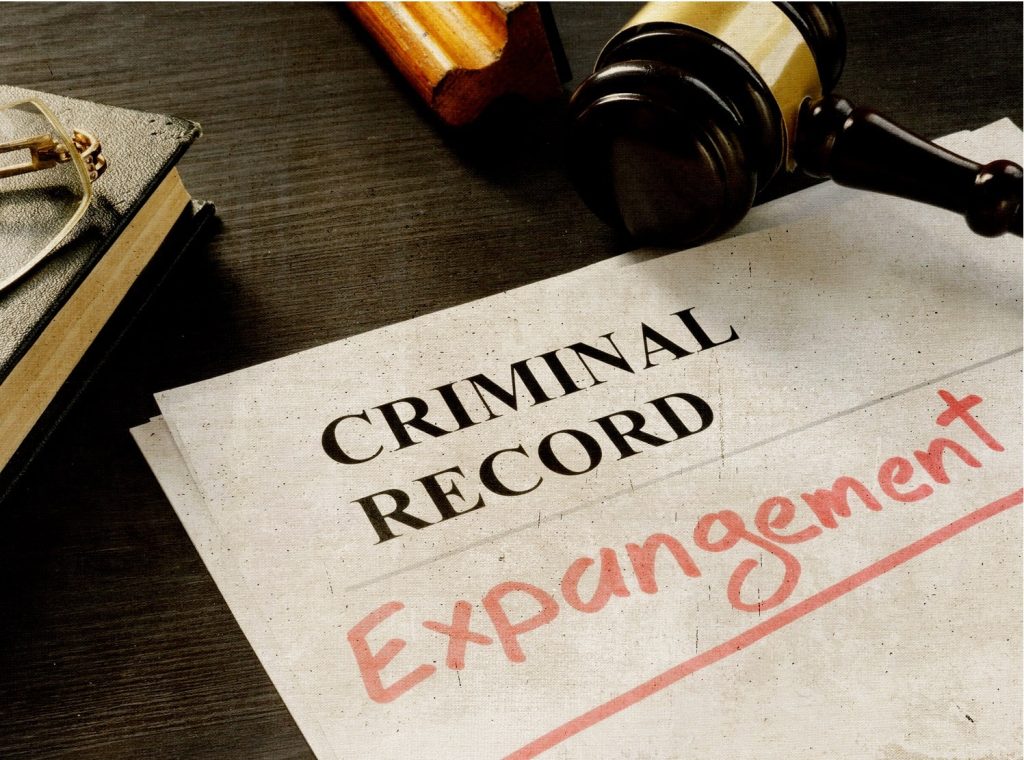
13. Can a Substance-Related Charge Be Expunged From My Background?
In some instances, drug charges may be expunged (removed) from your record, based on the degree of the charge, your criminal history, and local regulations. Removal from the record may be possible for minor offenses or initial violators after fulfilling a drug treatment program or probation.
14. What Is A Court-Ordered Rehabilitation Program?
A court-ordered rehabilitation program allows eligible individuals to escape a guilty verdict by participating in a judge-ordered program, such as drug treatment or treatment. Full fulfillment of the program often ends with removal of the accusations.
15. How Can I Make A Challenge Against Narcotics Smuggling Allegations?
Arguments to narcotics smuggling allegations may include challenging the lawfulness of the search and taking, demonstrating absence of distribution intent, or arguing that the accused was not aware of the location of the drugs. Entrapment can also be a available defense if law enforcement induced the offense.
16. What Happens If I’m Found Driving While Drug-Impaired?
Driving while drug-impaired is treated the same way as DUI for alcohol. Punishments can consist of monetary consequences, prison sentences, license suspension, and court-ordered drug programs. Authorities may employ blood tests or sobriety checks to measure drug influence.
17. Can Prescription Drug Fraud Result in Criminal Charges?
Yes, doctor prescription forgery, such as altering prescriptions, doctor shopping, or unlawfully selling prescriptions, is a major crime. It can cause felony charges resulting in incarceration, financial penalties, and revocation of licenses.
18. What Is the Variation Between National and State Drug Charges?
Government-level drug crimes typically involve major criminal networks, such as narcotics smuggling across jurisdictional lines or international borders. Regional crimes are often related to minor ownership or distribution offenses. Government-level crimes carry more severe consequences, like non-negotiable incarceration terms.
19. What Are Narcotics Classifications?
Regulated drugs are classified into schedules (I-V) depending on their risk of addiction and legal applications. Class I substances (e.g., LSD) have a great risk for misuse and no accepted medical use, while Class V substances e.g., certain painkillers have a lower potential for abuse.
20. What Happens If I’m Prosecuted For Having a Banned Substance in a School Zone?
Holding of drugs in a school zone typically result in harsher consequences, like mandatory minimum sentences. Prosecutors often prosecute these offenses more aggressively due to the proximity to students and academic institutions.
21. What Is Conspiracy to Commit a Drug Crime?
Drug-related conspiracy consists of multiple parties collaborating to commit a narcotics crime, such as smuggling or distribution. Even if the crime is not carried out, being part of the conspiracy can cause serious charges.
22. How Does Narcotics Screening Work in Criminal Cases?
Narcotic screening in legal cases may be conducted to establish the presence of illegal substances in your blood, especially in DUI or court-ordered cases. A failed test can influence sentencing, probation, or other court outcomes.
23. Can I Be Prosecuted With a Drug Offense If I Was Just in the Same Room as Illegal Substances?
Yes, you can be accused with holding narcotics if illegal substances are present in your near vicinity, even if they do not belong to you. This is called "implied possession" and you can be charged for substances discovered in a vehicle or home.
24. What Should I Do If I’m Detained by Police and Drugs Are Discovered in My Automobile?
If narcotics are present in your automobile, stay composed and do not acknowledge possession or make statements without an legal representative. The law enforcement must demonstrate that the narcotics belong to you and that you were knew about their presence. Your lawyer can dispute the legality of the investigation and if proper procedures were followed.
25. What Are My Entitlements If I Am Arrested for a Narcotics Crime?
You have the entitlement to not speak, the entitlement to a lawyer, and the entitlement to a legal proceeding. It’s important not to speak without an attorney with you, as anything you say can be held against you.
26. Can Narcotics Crimes Influence My Visa Application?
Yes, substance offenses can have severe impacts for non-citizens, including deportation, blocked naturalization, or denied re-entry into the U.S. It’s important to consult an immigration attorney in addition to your defense attorney if you are facing drug-related charges.
27. What Is a Mandatory Minimum Sentence for Drug Offenses?
Required minimum jail terms are set by law and require judges to impose a minimum amount of prison time for certain drug offenses, despite the details. These regulations often apply to serious drug trafficking offenses and can result in extended jail sentences.
28. How Does the Fourth Amendment Defend Me in Drug Cases?
The Constitutional right shields you from unlawful property searches. If authorities performed an illegal inspection (e.g., not having a legal document or justified belief), any evidence discovered may be inadmissible in court. Your attorney can submit a request to block the findings gotten unlawfully.
29. What Is a Narcotics-Free Area, and How Does It Affect My Offenses?
A substance-free zone is an area where substance violations result in enhanced penalties, typically within 1,000 feet of educational facilities receational areas, or housing projects. Being caught with drugs in these areas commonly results in severe consequences, including increased incarceration and higher fines.
30. What Takes Place If I Break Court-Ordered Supervision for a Substance Violation?
Violating probation for a substance violation can result in extra consequences, including cancellation of release, imprisonment, or mandatory drug treatment programs. Supervision breaches may consist of testing positive for substances, failing to attend required appointments, or engaging in further illegal activity.
31. Can I Deny a Search When Authorities Think I Have Drugs?
Yes, you have the right to decline a investigation of your body, car, or house if police do not have a court order or justification. However, if authorities have reasonable belief such as the smell of drugs, they may proceed without your permission. Always stay composed and ask to speak to a lawyer if you are unsure of your rights.
32. What Is Seizure of Assets in Narcotics Crimes?
Asset forfeiture enables the police to take property believed to be linked to drug crimes, such as vehicles, money, or real estate. If you are accused with a narcotics crime, your attorney can dispute the confiscation and state that the property were not involved in illegal activity.
33. Can A First-Time Drug Offense Be Thrown Out?
In some cases, first-time drug offenders may be able for alternative sentencing, postponed judgment, or substance treatment court, which can lead to the dropping of charges upon completion of the process. Your attorney can guide you through these alternatives.
34. What Is Substance Treatment Court?
Substance treatment court is a specialized court that concentrates on rehabilitating narcotics violators through therapy and guidance rather than prison sentences. Full participation of substance treatment may result in lesser penalties or the case removal.
35. Can I Be Accused With Narcotics Violations If I Am Caught With Legal Marijuana in a Jurisdiction Where It’s Prohibited?
Yes, possession of marijuana in states where it remains banned can still result in legal prosecution, even if it was bought legally in another state. The U.S. authorities also classifies marijuana as an illegal drug, which may result in national offenses in certain instances.