Trying to Find Prescription Drug Abuse Offenses Defense Attorneys in Greater Bryan-College Station Area?
Count on The Knowledge of Gustitis Law
Call 979-701-2915 For A Complimentary Consultation!
Confronting legal accusations for drug offenses or DWI can be an overwhelming and transformative situation in Greater Bryan-College Station Area. These charges can include harsh consequences, including incarceration, large financial penalties, suspension of driving rights, and a long-term legal record.
In addition to the immediate impacts, such convictions can influence your future work options, living arrangements, and even private life.
When your rights and long-term prospects are at jeopardy, it is crucial to secure experienced Prescription Drug Abuse Offenses Defense Attorneys that can navigate the nuances of the court process and create a strong case on your behalf.
At Gustitis Law, we specialize in representing individuals charged with drug offenses and DWI offenses. Our staff of experienced lawyers is focused on providing aggressive representation and personalized legal strategies to safeguard your legal entitlements.
Gustitis Law has a history of triumphantly safeguarding defendants in Greater Bryan-College Station Area against allegations ranging from simple drug ownership to more serious charges such as narcotics trafficking or felony drunk driving.
Challenging Drug Violations in Greater Bryan-College Station Area
Narcotics-related offenses in Greater Bryan-College Station Area can range significantly in severity, from low-level ownership charges to major drug supply matters. In any instance, the effects can be severe without an effective legal strategy by Prescription Drug Abuse Offenses Defense Attorneys. The legal professionals at Gustitis Law handle a wide range of substance offenses, including:
- Substance Holding - Whether it is weed, pharmaceuticals, crack, or harder substances, our lawyers have the experience to challenge the evidence and defend for your legal matter.
- Substance Distribution - These serious accusations often lead to extended incarceration. We recognize the serious risks involved and are ready to develop a solid legal strategy to protect your freedom.
- Holding with Intent to Sell: The prosecution will often try to raise simple possession charges if bulk quantities of substances are present. We fight to make sure the evidence is examined carefully and challenge any conclusions about selling intentions.
With narcotics laws constantly evolving, you need a legal expert who is informed with the latest laws and comprehends the details of local narcotics laws – you need Gustitis Law. We work diligently to pursue charge dismissals, lessened accusations, and alternative sentencing to defend your long-term prospects.
Thorough DWI Defense for Greater Bryan-College Station Area Individuals
DWI is a significant criminal offense in Greater Bryan-College Station Area that can have significant impacts. Consequences for driving while intoxicated in Texas include monetary sanctions, incarceration, community service, mandatory alcohol education programs, and license suspension.
A drunk driving guilty verdict can also lead to higher insurance rates and in some cases, you could face felony charges if there are worsening circumstances like repeat offenses or injuries caused by the incident.
All of this needs the expertise of experienced Prescription Drug Abuse Offenses Defense Attorneys – and Gustitis Law specializes in defending individuals accused of driving while intoxicated, including:
- Initial DWI Charge - A first-offense DWI offense may lead to consequences such as loss of license, fines, and time in jail. Gustitis Law aims to reduce these penalties and work to avoid prison and keep your driving privileges.
- Multiple DWI Offenses - Dealing with a repeat or subsequent intoxicated driving offense in Greater Bryan-College Station Area can result in stricter punishments, including extended incarceration and extended license suspension. Gustitis Law provides strong defense to contest the allegations and strive for the most favorable result.
- Major Drunk Driving Charge - If you are accused of a DWI in Greater Bryan-College Station Area involving injury or if you have past DWI offenses, you could be dealing with a major crime. The Gustitis Law skilled DWI specialists will advocate to reduce the impact of these offenses.
With a comprehensive knowledge of the local legal process and intoxicated driving regulations in Greater Bryan-College Station Area, Gustitis Law knows how to identify flaws in the opposing side's case, such as faulty breath results, flawed police procedures, and uncertain sobriety exams.
Our goal is to help you escape the permanent impacts of a intoxicated driving criminal record and preserve your record untarnished.
What Defense Methods Are Utilized by Prescription Drug Abuse Offenses Defense Attorneys?
When it concerns substance and DWI offenses, the appropriate strategic tactic can be critical. Knowledgeable Prescription Drug Abuse Offenses Defense Attorneys in Greater Bryan-College Station Area examine the details of every case to build a solid case.
Listed are some common strategies employed by Gustitis Law:
- Questioning the Legality of the Initial Stop - If the first stop was illegal, evidence gathered subsequently - such as breath test readings- could be thrown out.
- Challenging Alcohol Test or Field Sobriety Examination Accuracy - Alcohol testing machines and impairment assessments can sometimes give faulty readings. We’ll review the procedures employed and dispute them if required.
- Challenging Improper Seizures - If officers broke your Fourth Amendment rights, any unlawfully gathered information can be thrown out, greatly hurting the state's position.
Why Choose Gustitis Law Criminal Defense Lawyers for Drug and Drunk Driving Charges?
When you’re facing major charges like drug or DWI offenses, the Prescription Drug Abuse Offenses Defense Attorneys you choose can dramatically influence the resolution of your legal matter. Here’s why Gustitis Law stands out in Greater Bryan-College Station Area:
- Experienced Defense - With over 30 years of experience representing individuals against narcotics and intoxicated driving charges, Gustitis Law has the expertise and talents to challenge evidence, bargain with prosecutors, and bring your case to court if required.
- Tailored Legal Approaches - No two legal matters are the same. We make the effort to learn about the details of your case and adapt our legal approach to increase your chances of winning.
- Proven Results - Gustitis Law has successfully supported clients get offenses lessened or dismissed and has obtained favorable deals and legal results.
- Complete Assistance - From the instant you are arrested, Gustitis Law will lead you through every step of the judicial process, making sure you completely comprehend your rights and options.
Facing narcotics or intoxicated driving charges can be a bewildering and challenging situation, which makes finding the ideal Prescription Drug Abuse Offenses Defense Attorneys in Greater Bryan-College Station Area so difficult. With your future on the line, it is essential to take quick action and find legal representation.
Gustitis Law is dedicated to safeguarding your rights and guaranteeing a good outcome for your legal matter.
Begin With a Free Initial Consultation Now
Never wait until it is gone too far. If you're facing legal matters and searching for Prescription Drug Abuse Offenses Defense Attorneys in Greater Bryan-College Station Area, get in touch with Gustitis Law immediately. The faster you have an experienced criminal defense attorney on your side, the more solid your case can be.
Gustitis Law is prepared to review your legal matter, outline your legal choices, and commence developing a strategy to defend your rights.
Defend your long-term prospects by collaborating with Gustitis Law's dedicated team of defense attorneys who will work for the optimal result in your legal matter!
Confronting Intoxicated Driving or Narcotics Charges and Searching for Prescription Drug Abuse Offenses Defense Attorneys?
Your Optimal Decision in Greater Bryan-College Station Area is Gustitis Law!
Contact 979-701-2915 To Schedule an Initial Consultation!
Drug Offenses Defense FAQs:
1. What Are Typical Narcotics Offenses?
Typical substance violations consist of holding, smuggling, distribution, production, and cultivation of prohibited substances. Offenses also consist of prescription substance scams, drugged driving, and holding of drug-related equipment.
2. What Is Substance Ownership?
Drug holding takes place when an individual is found to have illegal drugs on their person or residence. This can include small volumes for personal use (minor possession) or greater amounts that may suggest intent to be a distributor.
3. What Is the Distinction Between Simple Holding and Possession for Distribution of Substances?
Simple ownership describes holding a small volume of narcotics for individual use, while possession for sale involves bulk quantities and may involve evidence like containers, scales, or currency, which indicate trading or distribution.
4. What Are the Punishments for Drug Possession?
Punishments for drug ownership change by jurisdiction and the kind of material. They can involve fines, public service, and court-ordered rehabilitation to jail time. Consequences are usually more severe for multiple violations or holding of more harmful drugs like cocaine or heroin.
5. Can I Be Detained for Ownership of Pharmaceutical Drugs?
Yes, you can be arrested for holding doctor-prescribed drugs if you do not have a legal prescription. Misuse of prescription medications, like the unlawful transaction or possession of substances like painkillers or benzodiazepines, is treated the same as illegal drug offenses.
6. What Must I Undertake If I Am Arrested for a Substance Crime?
If you’re detained for a substance offense, remain calm and do not speak to the law enforcement without a attorney present. Anything you mention can be used against you. Reach out to a criminal defense attorney immediately to protect your rights and prepare a defense.
7. What Is Illegal Transportation of Controlled Substances?
Criminal drug traffickingillegal transportation of controlled substances} involves the unlawful selling, movement, or sale of illegal narcotics. It is a greater charge than ownership and often involves significant volumes of substances. Narcotics smuggling accusations typically bring harsher penalties, such as lengthy prison sentences
8. What Arguments Are Possible for Drug Possession Charges?
Typical strategies for substance ownership consist of prohibited investigation and seizure (breaking your legal protections), lack of possession (the drugs were not yours), coercion, or demonstrating that the narcotics were prescribed to you.
9. Can I Have That Drug Charges Be Thrown Out?
In some situations, narcotic accusations can be reduced through negotiation of a deal or rehabilitation programs, particularly for first-time offenders or low-level drug crimes. Your lawyer may negotiate with the prosecution for alternative sentencing options like counseling.
10. What Is Drug Paraphernalia and Can I Be Accused for Possessing It?
Narcotics equipment includes items or materials used to ingest, manufacture, or dispense drugs, such as pipes, needles, or scales. Ownership of narcotics equipment is prohibited in many regions and can result in accusations even if no substances are present.
11. How Does the Amount of Narcotics Affect My Charges?
The amount of narcotics found can substantially affect the accusations. Small amounts usually trigger possession charges, while larger quantities may result in accusations of possession with intent to sell or trafficking, which carry more stringent punishments.
12. What Is Narcotics Production, and What Are the Penalties?
Drug manufacturing refers to the illegal production of illicit narcotics, such as methamphetamine, blow, or MDMA. Penalties for drug manufacturing are harsh and may involve extended incarceration, large financial consequences, and the forfeiture of property.
13. Can a Drug Charge Be Cleared From My Record?
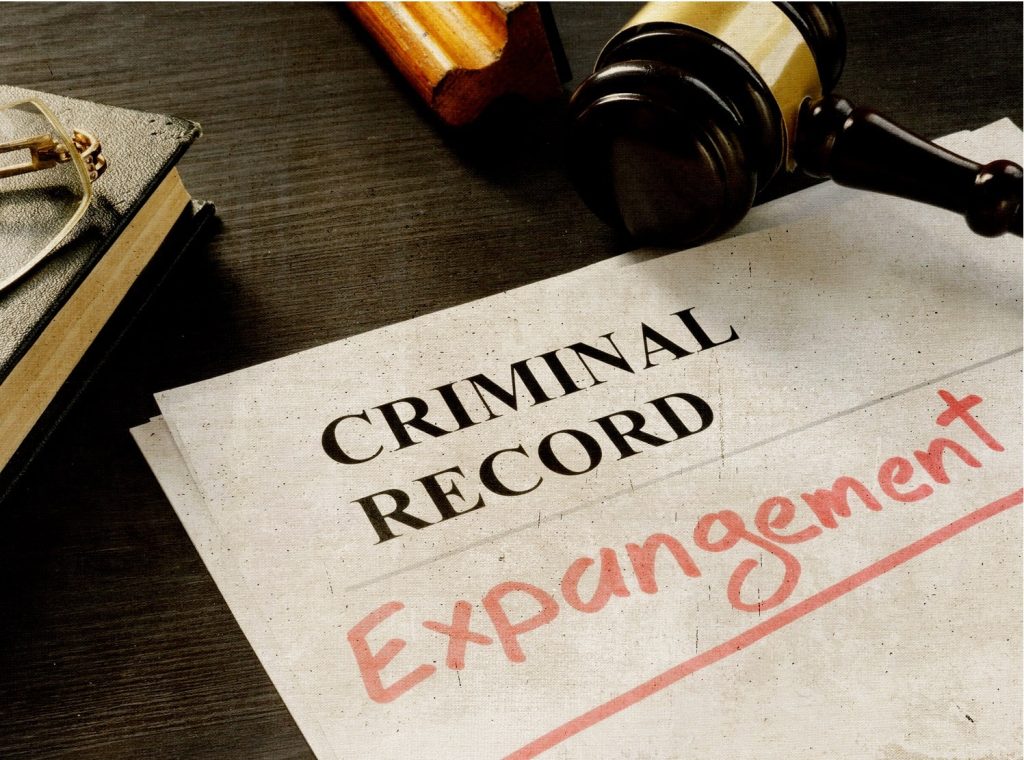
In some instances, drug charges may be cleared (removed) from your record, according to the severity of the violation, your background, and local regulations. Expungement may be an option for low-level violations or new offenders after completing a drug treatment program or community service.
14. What Is a Pretrial Diversion Program?
A court-ordered rehabilitation program permits eligible individuals to bypass a conviction by finishing a judge-ordered program, such as rehabilitation or treatment. Full participation of the program often ends with removal of the accusations.
15. How Can I Make A Challenge Against Substance Distribution Charges?
Legal strategies to substance distribution allegations may include contesting the lawfulness of the investigation and seizure, demonstrating no intent to sell, or arguing that the individual was not knowledgeable of the existence of the drugs. Entrapment can also be a available defense if law enforcement coerced the crime.
16. What Happens If I’m Arrested Driving Under the Influence of Drugs?
Driving while drug-impaired is prosecuted the same way as alcohol-related DUIs. Penalties can include financial penalties, jail time, loss of driving privileges, and court-ordered drug programs. Law enforcement may apply blood tests or field sobriety tests to measure drug influence.
17. Can Prescription Drug Fraud Lead to Felony Charges?
Yes, medication RX fraud, such as faking medical scripts, doctor shopping, or illegally distributing medications, is a major crime. It can result in felony charges leading to jail time, monetary punishment, and revocation of licenses.
18. What Is the Difference Between Government-Level and State Substance Offenses?
National narcotics offenses often involve major criminal networks, such as substance distribution across state lines or international borders. Regional crimes are often related to local possession or substance-related violations. National offenses carry more severe consequences, including mandatory minimum sentences.
19. What Are Substance Categories?
Regulated drugs are categorized into groups (I-V) according to their potential for abuse and medical use. Schedule I drugs (e.g., heroin) have a great risk for misuse and no accepted medical use, while Schedule V drugs e.g., certain painkillers have a less risk of addiction.
20. What Happens If I’m Prosecuted For Having a Banned Substance in a Drug-Free Zone?
Holding of narcotics in a drug-free zone typically result in harsher consequences, such as longer jail terms. District attorneys often handle these violations more vigorously due to the nearness to students and academic facilities.
21. What Is Conspiracy to Commit a Drug Crime?
Narcotics conspiracy includes multiple parties planning to participate in a narcotics crime, such as smuggling or dispensation. Even if the offense is not executed, being involved can result in criminal accusations.
22. How Does Drug Testing Work in Criminal Cases?
Narcotic screening in court proceedings may be applied to establish the presence of illegal substances in your body, especially in DUID or probation situations. Detection of substances can impact sentencing, court-ordered supervision, or other legal consequences.
23. Can I Be Charged With a Substance Crime If I Was Just in the Same Room as Narcotics?
Yes, you can be prosecuted with drug possession if narcotics are discovered in your immediate control, even if they don’t are owned by someone else. This is called "implied possession" and you can be liable for substances discovered in an automobile or house.
24. What Should I Take Action On If I’m Detained by Authorities and Drugs Are Found in My Car?
If narcotics are present in your vehicle, remain calm and do not admit ownership or answer questions without an attorney. The law enforcement must show that the substances belong to you and that you were aware of their presence. Your legal counsel can challenge the legality of the investigation and if proper procedures were followed.
25. What Are My Legal Protections If I’m Detained for a Substance Violation?
You have the right to remain silent, the right to an attorney, and the right to a legal proceeding. It is essential not to make any statements without a lawyer present, as anything you say can be used against you.
26. Can Substance Offenses Influence My Immigration Status?
Yes, substance offenses can have severe impacts for non-citizens, including being expelled, blocked naturalization, or blocked access into the United States It’s crucial to seek advice from an immigration attorney in addition to your defense attorney if you are confronting drug-related charges.
27. What Is a Required Minimum Jail Term for Narcotics Crimes?
Mandatory minimum sentences are set by law and obligate judges to impose a specific amount of jail time for certain narcotics crimes, no matter the context. These regulations usually concern major narcotics crimes and can result in extended jail sentences.
28. How Does the Fourth Amendment Protect Me in Narcotics Offenses?
The 4th Amendment protects you from illegal searches and seizures. If the police performed an illegal inspection (e.g., without a warrant or probable cause), any information obtained may be invalid in legal proceedings. Your legal counsel can submit a petition to exclude the findings gotten unlawfully.
29. What Is a Substance-Free Zone, and How Does It Influence My Charges?
A narcotics-free area is an area where drug-related offenses result in stiffer consequences, typically within 1,000 feet of educational facilities receational areas, or public housing. Being caught with illegal substances in these zones often results in greater punishments, including extended jail terms and higher fines.
30. What Takes Place If I Break Supervised Release for a Substance Violation?
Breaking supervised release for a narcotics crime can bring about further punishments, including loss of supervision, imprisonment, or compulsory counseling. Release violations may consist of not passing a screening, missing court-ordered meetings, or being charged with another crime.
31. Can I Deny an Investigation When Police Believe I Have Narcotics?
Yes, you have the legal protection under the law to decline an investigation of your person, car, or home if police do not have a court order or justification. On the other hand, if law enforcement have justified suspicion such as the odor of narcotics, they may proceed without your permission. Always keep your cool and request to speak to a legal representative if you are unsure of your rights.
32. What Is Asset Forfeiture in Drug Cases?
Seizure of assets enables law enforcement to take property suspected to be linked to substance violations, such as cars, funds, or real estate. If you are accused with a drug offense, your lawyer can challenge the forfeiture and argue that the belongings were not used for unlawful purposes.
33. Can A First-Time Drug Offense Be Thrown Out?
In some situations, first-time drug offenders may be qualified for alternative sentencing, postponed judgment, or rehabilitation court, which can result in the dismissal of charges upon successful completion of the program. Your attorney can help you explore these options.
34. What Is Substance Treatment Court?
Substance treatment court is a dedicated legal system that handles rehabilitating narcotics violators through therapy and supervision rather than prison sentences. Completion of rehabilitation court may lead to lesser penalties or the dismissal of the case.
35. Can I Be Prosecuted With Substance Offenses If I Am Found With Permitted Cannabis in a State Where It’s Illegal?
Yes, owning weed in states where it remains banned can still lead to legal prosecution, even if it was lawfully obtained in a different state. The U.S. authorities also classifies marijuana as an illegal drug, which may bring about federal charges in certain cases.