In Need of Skilled Criminal Defense Attorneys in Greater Bryan-College Station Area?
Rely on the Experienced Criminal Defense Attorneys at Gustitis Law to Get the Assistance You Need!
Contact Us at 979-701-2915 for Immediate Support!
Confronting any type of criminal accusations in Greater Bryan-College Station Area is a critical matter that requires immediate response from skilled Criminal Defense Attorneys. A felony conviction can lead to serious consequences, including an enduring criminal file that could impact your freedom, reputation, and future opportunities.
Whether you are confronted with a small traffic violation or major accusations like violent crimes or narcotic charges, your primary move should be working with skilled Criminal Defense Attorneys that understands the legal framework in Greater Bryan-College Station Area. At Gustitis Law, our group is dedicated to offering tailored and strong legal strategies crafted to your situation.
Why Is It Important to Work with Qualified Criminal Defense Attorneys in Greater Bryan-College Station Area?
A legal charge is not just a temporary problem – it is something that can influence your situation for years to come. Convictions can lead to punishments that include:
- Prison sentences.
- Hefty fees.
- A permanent criminal history.
- Loss of personal rights, like the right to vote or possess a gun.
The best strategy to mitigate these impacts is to consult with proven Criminal Defense Attorneys that can develop a solid argument. At Gustitis Law, our criminal defense attorneys have vast expertise in defending clients facing various offenses in Greater Bryan-College Station Area and are equipped to protect your rights.
Full Criminal Defense Services in Greater Bryan-College Station Area
Our firm manages a broad variety of criminal matters, making sure that no matter the nature of your charges, you have the most effective feasible defense. The skilled Criminal Defense Attorneys at Gustitis Law are well-versed in defending defendants against accusations including:
- Driving under the influence
- Narcotic violations
- Stealing and burglary
- Assault and aggressive offenses
- Major offenses and misdemeanor offenses
- Corporate offenses
- Juvenile crimes
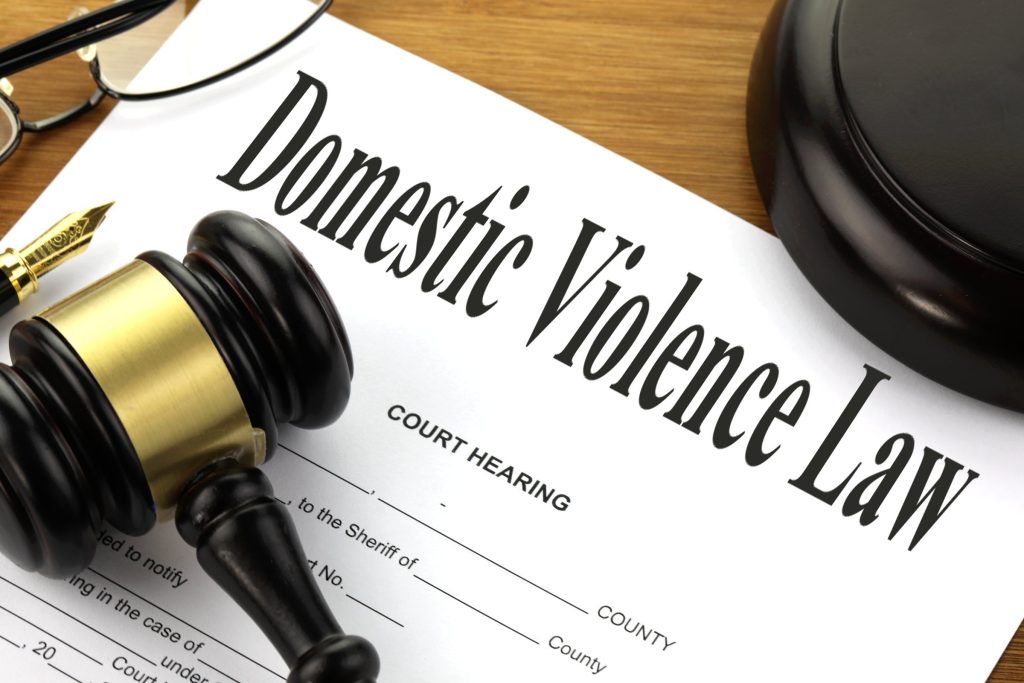
- Domestic violence
No matter how difficult or clear-cut your situation may appear, Gustitis Law will provide committed defense services, performing detailed inquiries, analyzing evidence, and developing a strong defense to defend against the prosecution’s case at every stage.
Why Choose the Criminal Defense Attorneys at Gustitis Law in Greater Bryan-College Station Area?
The selection of a criminal defense attorney in Greater Bryan-College Station Area is a significant choice that can greatly influence the outcome of your legal matter. With an abundance of attorneys on hand , why choose Gustitis Law for help with your case? Here is why our defendants choose us:
- Significant Knowledge - Our legal team has a strong track record of representing customers charged with a broad range of offenses, such as substance offenses, violent crimes, robbery, and more. We are experienced with both state and federal criminal law.
- Tailored Defense Plans - We know that every situation is distinctive. The lawyers at Gustitis Law take the time to understand your particular case and create a legal plan built to secure the most favorable result.
- Assertive Advocacy - When your liberty and future are in jeopardy, you must have a criminal defense attorney who will defend you aggressively. Our legal team is prepared to scrutinize every detail of your legal matter and build a powerful argument in court.
- Negotiation Expertise – Many times, settling with prosecutors can result in lower consequences or penalties. Our attorneys are skilled negotiators who focus to secure the most favorable resolutions for our customers.
- Dedication to Client Rights - We are passionate about fighting for the protections of people facing criminal charges and believe that every person deserves a fair trial and aggressive legal advocacy.
Rely On Gustitis Law for the Top Defense in Greater Bryan-College Station Area!
Contending with legal accusations can be intimidating; however, you are not obligated to deal with it alone. Before you make any choices about hiring a lawyer, speak to the experienced Criminal Defense Attorneys at Gustitis Law. We are committed to defending your liberties, your freedom, and your long-term security.
If you or a loved one has been accused of a crime in Greater Bryan-College Station Area, don’t hesitate - reach out to Gustitis Law today!
Our attorneys are prepared to offer the skilled and authoritative legal defense you deserve.
Grappling With Legal Accusations in Greater Bryan-College Station Area?
You Require Knowledgeable Criminal Defense Attorneys!
Call Gustitis Law at 979-701-2915 Now!
FAQs for Criminal Defense Attorneys
1. What Does a Criminal Defense Attorney Handle?
A criminal defense attorney defends people accused of committing offenses. They look into the accusations, gather information, counsel defendants on their legal protections, discuss settlements, and defend them in court to pursue the favorable result—whether through elimination of charges, acquittal, or lesser punishment.
2. When Must I Hire a Criminal Defense Attorney?
It’s essential to retain a criminal defense attorney as soon as you are arrested, accused, or even under investigation for a offense. Early representation ensures protecting your rights, stopping self-incrimination, and start building a solid legal strategy from the beginning.
3. What Are My Entitlements After Being Arrested?
After being arrested, you have the entitlement to not incriminate yourself and the entitlement to an attorney. You are also given the privilege to be informed of the accusations against you and to have a just hearing. It’s important to invoke your right to remain silent until you meet with your legal counsel.
4. How Can a Criminal Defense Attorney Support With My Legal Matter?
A criminal defense attorney can assist by comprehensively investigating your legal matter, finding gaps in the state’s case, submitting motions to suppress evidence gained improperly, arranging with the state for plea deals, and representing you in court to protect your rights.
5. What Is the Distinction Between a Minor Offense and a Felony?
Minor offenses are lower-level offenses, typically resulting in less than a year in jail or fees. Major offenses are more severe offenses, often involving physical harm or large-scale fraud, and are resulting in more than a year in jail, heavy fines, and lasting effects like loss of liberties.
6. What Can I Expect During My First Meeting With a Criminal Defense Lawyer?
During your introductory session, your attorney will request details about your legal case, custody, and any evidence. They will describe your choices, go over likely legal strategies, and offer you an understanding of what to prepare for throughout the proceedings. It’s essential to be truthful and give as much detail as possible.
7. Can a Criminal Defense Attorney Get You My Allegations Dismissed?
An attorney may be able to get your charges eliminated if there is not enough evidence, infringements on your entitlements, or missteps during the search or arrest. Each legal matter is individual, and outcomes depend on the particular details.
8. What Are Negotiated Settlements, and Can I Agree To One?
A plea bargain is an arrangement where you admit fault to a reduced offense in exchange for a lighter penalty or other benefits. Whether you should accept a plea deal relies on the strength of the prosecution’s evidence and the possible outcomes of facing a trial.Your attorney will counsel you through the decision process.
9. What Takes Place If I Have a Trial?
If your case reaches trial, both sides will show testimony and witnesses. Your defense attorney will interrogate the prosecution’s witnesses and show your case to the court. The hearing concludes with a verdict of convicted or acquitted, or in some cases, a mistrial.
10. Could I Challenge a Guilty Verdict?
Yes, you can contest a guilty verdict if you believe there was a judicial error that impacted the trial's outcome. Your attorney can file an challenge to a appellate court, arguing that issues were made during the first trial that warrant a reversal of the decision.
11. Can My Case Reach Trial?
Not all legal matters go to trial. Many are resolved through plea bargains or are eliminated before going to trial. Your attorney will evaluate your legal matter to determine whether it’s in your advantage to take a plea agreement or take your case to court.
12. What Are the Potential Results of a Criminal Case?
Potential results include elimination of charges, plea agreements, a acquittal, judgment with punishment, or rehabilitation programs for specific small crimes. The outcome depends on the weight of the case, defense strategies, and discussions between your attorney and the district attorney.
13. How Much Does It Cost to Retain a Criminal Defense Attorney?
Costs differ according to the complexity of the legal matter, the defense counsel’s expertise, and whether the trial reaches trial. Many lawyers offer a flat fee for certain legal matters, while others bill based on time. Ensure to review pricing during your consultation to get clarity on the fees expected.
14. Can I Switch My Legal Counsel During the Trial?
Yes, you have the right to replace your lawyer if you’re displeased with their work. However, replacing counsel during the case can sometimes slow down court dates, so it’s recommended to make this decision with caution and at the beginning if possible.
15. What Is Bond and How Can I Get It Reduced?
Bond is a financial guarantee or property that guarantees your presence to the hearing for your court case. Your attorney can petition for a bond review to ask for a reduction or to free you on your personal recognizance, meaning you wouldn’t have to pay bail if you promise to return to court.
16. What Do I Act If the Police Seek to Interview Me?
If law enforcement seek to ask questions of you, you should use your entitlement to refuse to answer and ask for an attorney. Answering the authorities without legal representation can hurt your defense, as anything you say can be held against you.
17. What Is the Legal Time Frame for Accusations?
The statute of limitations differs according to the offense and the state. For small crimes, the deadline is often shorter, while grave violations like murder may have no statute of limitations. Your attorney will describe the particular legal window for your situation.
18. What Is the Distinction Between Conditional Release and Supervised Release?
Community supervision is an alternative to prison, allowing you to carry out your punishment under control within the outside, often with legal requirements. Supervised release is the letting go of a prisoner before completing their prison time, dependent on supervision. Failing to follow the conditions of release or early release can result in imprisonment.
19. Is It Possible a Legal History Be Sealed?
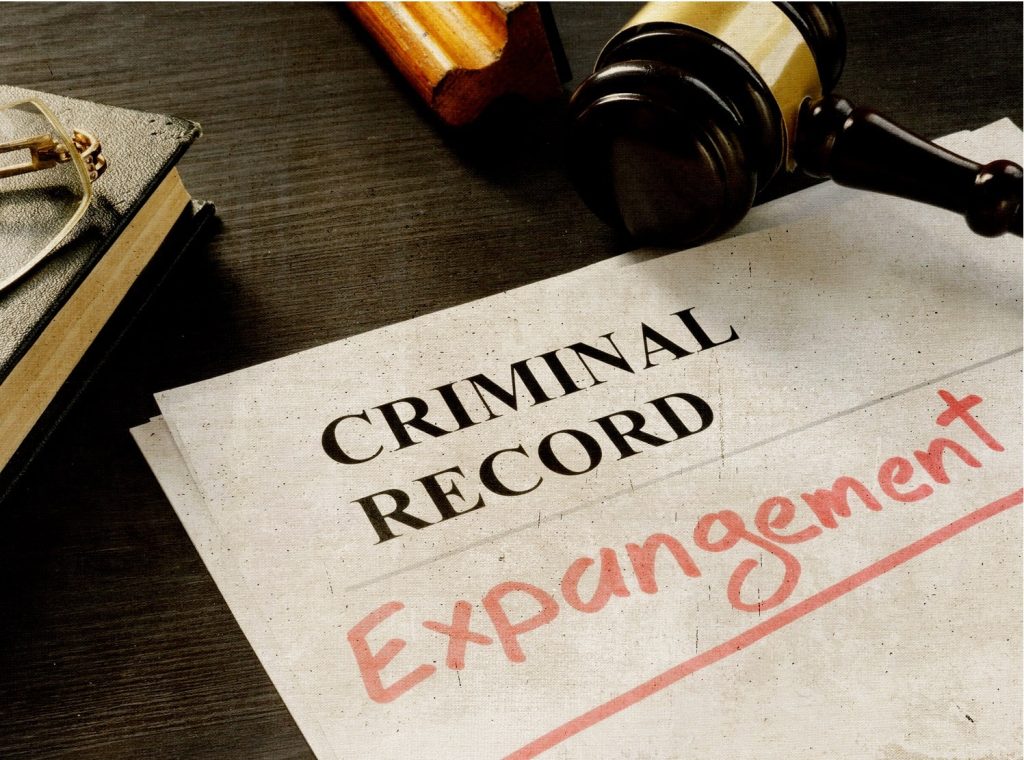
In certain situations, you can have your legal history expunged, meaning it is hidden or erased, and will not appear in employment screenings. Qualifications for erasure depends on elements like the nature of the offense and your prior offenses.
20. What Is Self-Defense, and Is It Possible It Be Used to Justify Actions?
Self-defense can be invoked as a court defense when you can show that you applied appropriate action to defend yourself from immediate danger. The law varies by state, so your attorney will assess if this argument is relevant for your situation.
21. Is It Possible I Be Arrested Without Evidence?
You can be taken into custody if the police have sufficient suspicion to believe you were involved in a crime, even if they lack clear evidence. However, without enough proof, the accusations may be dismissed later in the proceedings.
22. What Is a Grand Jury, and What Is Its Role?
A Investigating Panel is a panel of peers who decide whether there is enough proof to indict someone with a severe violation. It’s not a legal hearing, and the accused typically doesn’t appear. The Investigating Panel determines if an indictment should be issued.
23. What Length of Time Will a Legal Case Take to Conclude?
The length of a criminal case depends on the complexity of the charges, court schedules, whether you proceed to trial, and how discussions proceed. Some legal matters are resolved in weeks or months, while others can drag on for years.
24. Can I Handle My Own Defense in a Trial?
Yes, you have the right to represent yourself, called “without a lawyer,” but it’s generally not recommended. Court processes is difficult, and having a lawyer significantly improves your odds of a better result.
25. What Takes Place If I Miss a Legal Appointment?
Not showing up for a legal appointment can cause a bench warrant for your arrest. It’s important to be present at all set court dates or let the court in advance if you cannot attend. Your attorney can assist postpone hearings if necessary.